Why Some Weld Cleaners Leave Streaks on Stainless Steel (Causes & Fixes)
6 May 2026
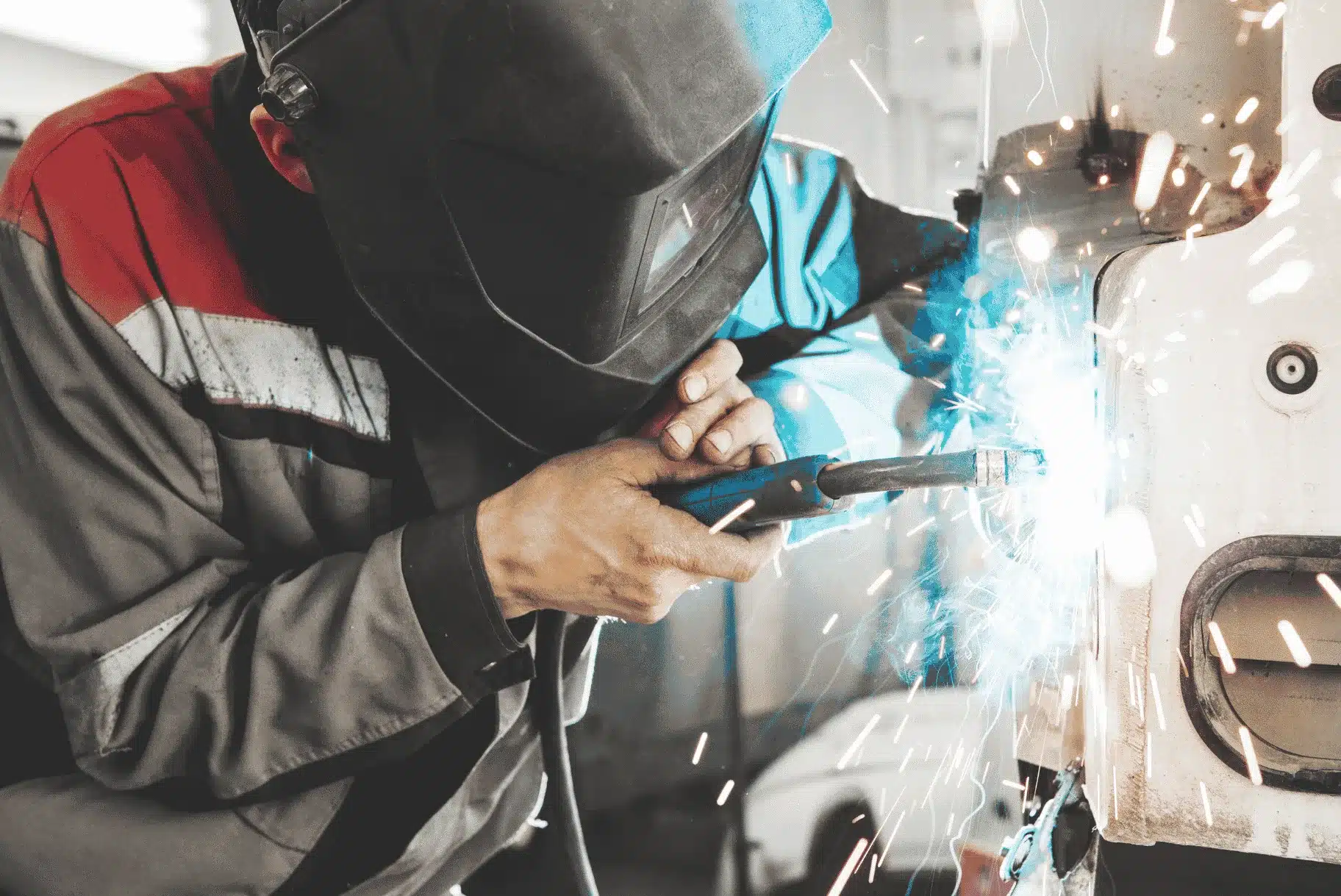
If you clean a stainless weld and it looks right while it is wet, then turns white, patchy, or streaky as it dries, that usually tells you something important about the process. In our experience, streaking is rarely random. It is usually a sign that residue was left behind, the rinse and neutralizing steps were not handled correctly, consumables were contaminated, or the weld needed a different fluid or a more capable setup.
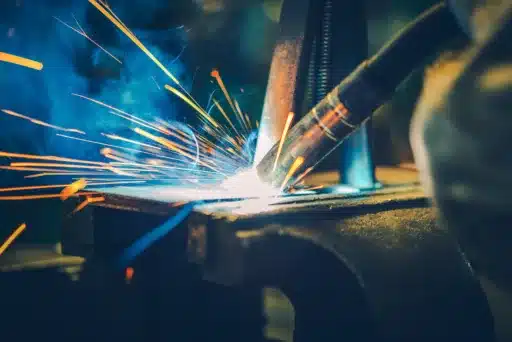
For fabricators and welders, that matters because streaking is not just a finish issue. It adds rework, slows delivery, and can turn a good weld into a poor handover. When you are working across TIG, MIG, MAG, stick, Sub Arc, or laser welds, you need a weld cleaning process that gives you a clean, even, corrosion-ready surface without extra passes and guesswork.
The good news is that most streaking problems are easy to trace once you know what to look for. The key is to read the mark correctly, then fix the real cause instead of treating every streak the same way.
Key points
- White streaks usually mean cleaner residue was left on the surface
- Dirty water, contaminated brushes, and used wipes often cause haze and patching
- Darker or more oxidized welds may need different fluid selection or more machine output
- Neutralizing and final rinsing matter when the process calls for them
- A matched TIG Brush system helps make finish quality more repeatable and reduces rework
What weld cleaner streaks on stainless steel usually mean
The first step is to identify the type of mark you are seeing.
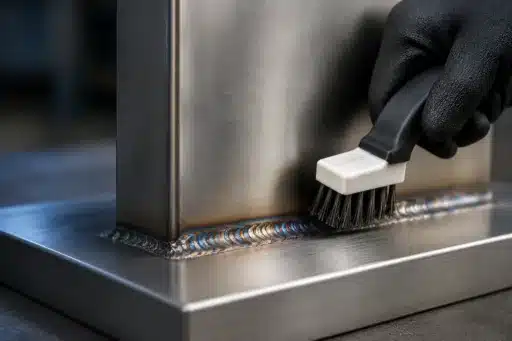
A white or chalky streak usually means residue has dried on the stainless after cleaning. A cloudy or smeared finish often points to contamination from water, a brush, or a wipe. Brown, blue, or straw-coloured bands usually mean heat tint is still present because the weld was not fully cleaned.
That distinction matters. If the issue is residue, changing machine settings will not solve it. If the issue is remaining heat tint, more rinsing will not solve it either. The more accurately you read the surface, the faster you can correct the process.
The most common causes of streaking after stainless steel weld cleaning
1. Residue was not fully removed
This is one of the most common causes of white streaking. Weld cleaning removes oxides and contamination from the surface, but the process is not finished until that chemistry is properly removed. If the weld is not fully rinsed, or if neutralizing is skipped when it should be used, residue can dry back onto the stainless and leave a visible white film.
This is why some welds look fine at first, then show marks as they dry. The problem is often not the cleaning pass itself. It is what happened after the cleaning pass.
2. The rinse water is dirty
Clean chemistry will not give a clean result if the rinse water is carrying contamination. If the spray bottle, rinse station, or bucket has already picked up residue, you are putting that contamination straight back onto the surface. On polished or customer-facing stainless, even a small amount can show up clearly.
In busy workshops, this is one reason the problem can seem inconsistent. One part is rinsed with clean water and finishes well. The next part is rinsed with contaminated water and dries with haze or streaking.
3. Brushes or wipes are cross-contaminated
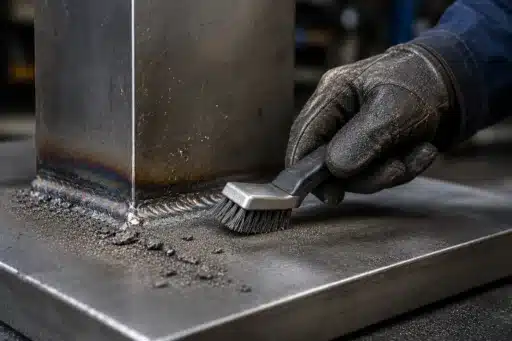
A brush tip, sleeve, or rag can hold more contamination than many operators expect. If a brush has picked up residue from a previous weld, or a rag has already been used on several parts, you can spread contamination across a surface that was otherwise cleaned correctly.
When streaks look patchy or smeared rather than evenly chalky, cross-contamination is one of the first things we would check.
4. The fluid does not match the weld condition
Not all welds need the same chemistry. A light TIG weld on clean stainless is very different from a darker MIG or stick weld with heavier oxidation. If the fluid does not match the weld condition, operators often end up making repeated passes or slowing down too much to get the result they want. That can leave the finish looking uneven.
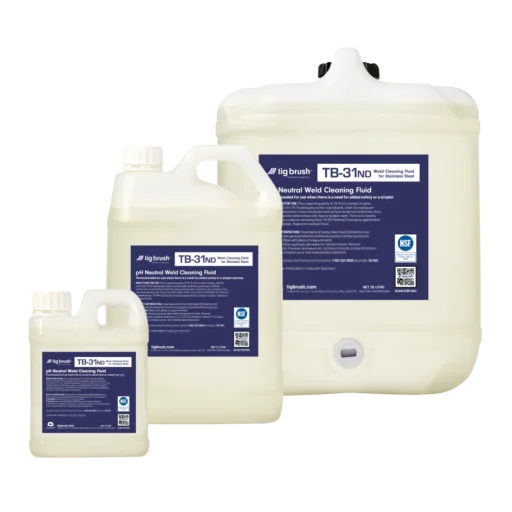
For jobs where finish quality is critical, and white frosting needs to be avoided, a pH-neutral option such as TB-31ND Weld Cleaning Fluid is a strong choice. It is designed to clean and passivate without a separate neutralizing step, which can simplify the process on high-polish stainless and other appearance-sensitive work.
5. The machine setup is too light for the weld
Heavier oxidation needs enough output to clean the weld evenly and efficiently. If the machine setup is too light for the job, operators often compensate by lingering in one area or going back over the weld several times. That increases handling time and often leaves a less uniform finish.
How to fix weld cleaner streaks, step by step
Step 1: Identify the streak
Before you rework the weld, look closely at the mark. Is it white residue, a smear, a watermark, or remaining heat tint? A quick diagnosis here saves time because you are matching the fix to the actual problem.
Step 2: Rinse again with clean water
Start with the simplest correction. Use fresh, clean water and fully flush the weld area. If the streak is caused by residue, this step may remove it straight away.
Step 3: neutralise when the process requires it
With conventional acidic weld cleaning fluids, the process continues after the cleaning pass. The surface should be rinsed, neutralized, and rinsed again. That helps stop the chemical action and reduces the chance of white residue appearing as the weld dries.
Step 4: Replace contaminated consumables
If there is any doubt about the brush, sleeve, wipe, or rinse water, replace them. It is a simple control, but it removes one of the most common causes of repeat streaking.
Step 5: Match the setup to the weld
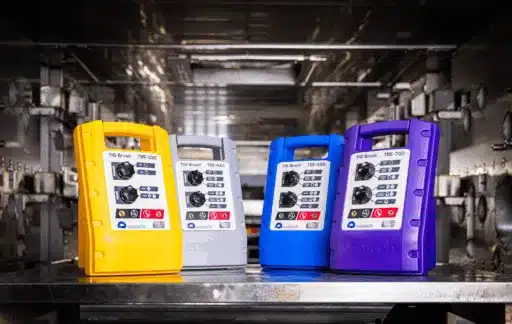
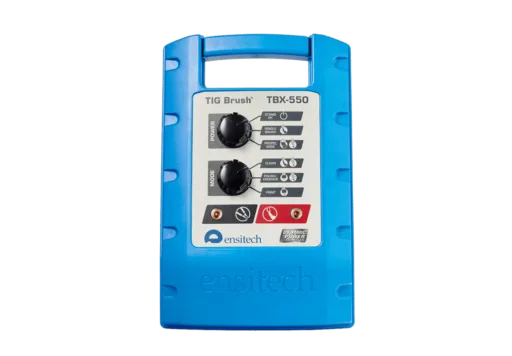
If the weld is heavily oxidized, do not keep forcing a light setup to do a heavy-duty job. Move to the correct fluid and enough output for the weld condition. For shops that regularly clean darker, dirtier, or more demanding welds, the TIG Brush 550 Weld Cleaner gives you more capability and more consistency on tougher work.
How to prevent streaks before they happen
The best result comes from a process that is easy to repeat from one weld to the next.
From our point of view, there are four controls that make the biggest difference. Use the right fluid for the weld and finish requirement. Keep water and consumables clean. Follow the full post-cleaning process every time. Make sure the machine output matches the weld condition.
When those controls are in place, the finish becomes more consistent, and the process becomes easier to manage across different operators, weld types, and production runs. That is where a proper system matters. It does not just clean the weld. It helps you clean the weld the same way every time.
What this looks like in the workshop
We see this most often when a shop has the right goal but an inconsistent finish process. A fabricator may remove the visible heat tint, assume the weld is done, then find white streaking or haze once the part dries. In nearly every case, the issue comes back to one of the same causes: residue left on the surface, dirty rinse water, contaminated consumables, or a setup that is too light for the weld condition.
Once that process is corrected, the result is usually immediate. The finish becomes more even, rework drops, and operators spend less time going back over welds that should already be complete. That is why we focus so heavily on matched systems, correct fluid selection, and a repeatable rinse and post-cleaning process.
A simple troubleshooting checklist for the shop
If you are seeing streaks after stainless steel weld cleaning, check these points in order:
- Was all cleaner residue fully rinsed off?
- Did the process require neutralizing?
- Was the final rinse done with clean water?
- Were the brush and wipe free from contamination?
- Was the fluid right for the weld type and finish?
- Was the machine output suitable for the level of oxidation?
Most streaking problems can be traced back to one of these steps.
Stop streaks before they slow down your next job
If streaking is costing your team time, the fix is usually not more grinding or more rework. It is a cleaner, more repeatable weld cleaning process with the right fluid, the right output, and the right post-cleaning steps.
At TIG Brush, we help fabricators and welders match the system to the work in front of them, whether that means a fluid that reduces frosting on polished stainless or a more capable machine for darker, more demanding welds. If you want a faster path to a cleaner finish, start with the right setup.
FAQs
1. Why does stainless steel turn white after weld cleaning?
A white film usually means residue has been left on the surface and has dried there. In most cases, the cause is incomplete rinsing, skipped neutralizing where it should have been used, or contamination from water or consumables.
2. Do all weld cleaning fluids need neutralizing?
No. Some weld cleaning fluids are designed to be followed by a neutralizing step, while others are made to simplify that part of the process. The correct approach depends on the fluid being used and the finish requirement of the job.
3. Can dirty water really cause weld cleaner streaks?
Yes. Dirty rinse water is one of the most common reasons a weld looks worse after cleaning than expected. As the water dries, any contamination left behind can show up as haze, streaks, or water marks.
4. Why do some welds streak more than others?
The darker and more oxidized the weld, the harder it is to clean evenly with a lighter setup. Weld process, heat input, surface condition, and finish requirement all affect how easily the area cleans and how likely it is to show streaking.
5. What is the fastest way to stop streaking in the workshop?
Standardise the process. Use clean water, clean consumables, the right fluid for the weld, and the correct rinse and neutralizing steps every time. When the process is consistent, the finish becomes consistent too.