Laser Etching vs. Electrochemical Marking: Which Precision Method Should You Choose?
18 August 2025
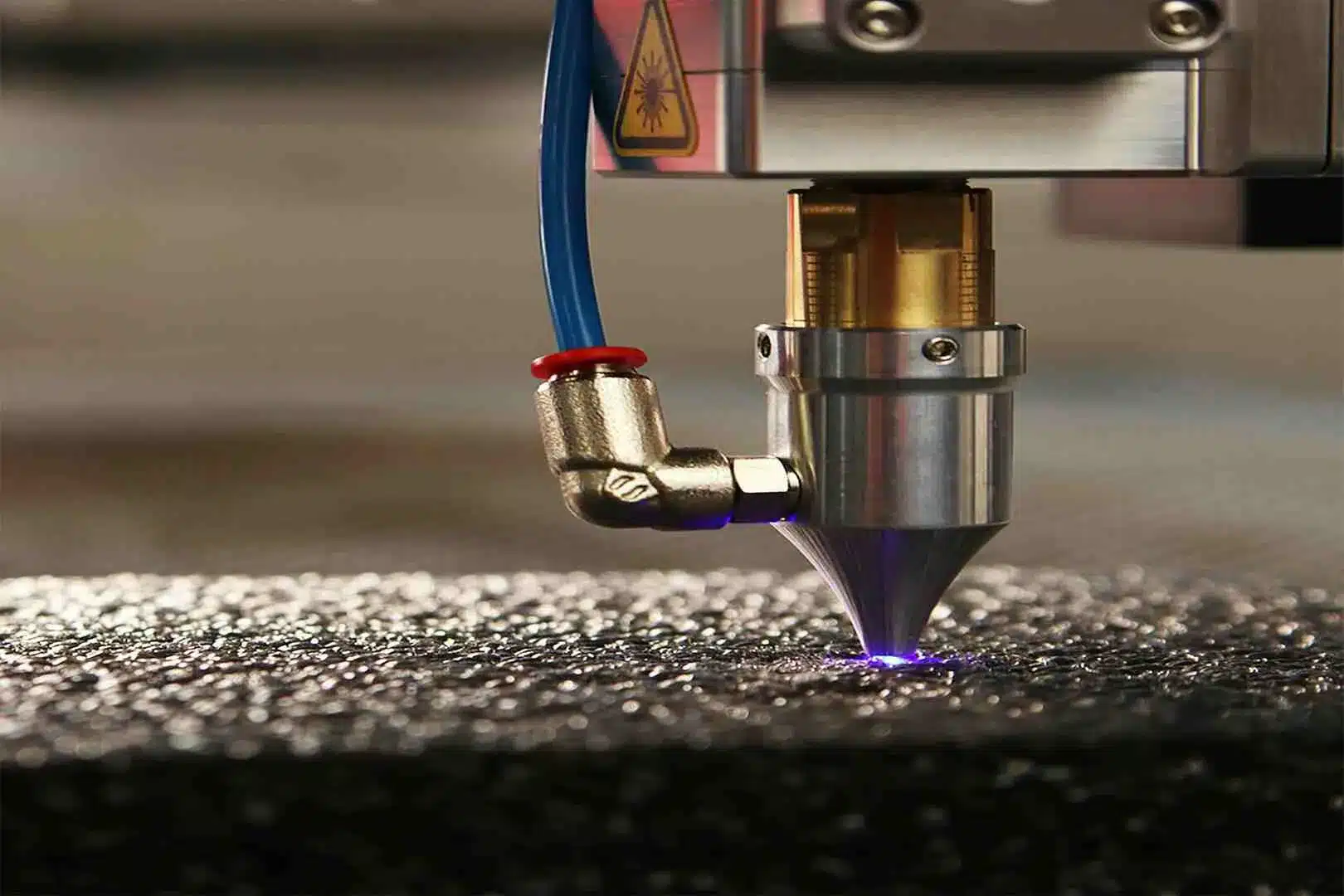
When it comes to permanently marking stainless steel and other metals, choosing the correct precision technique is crucial for quality, durability, and cost-efficiency. Laser etching and electrochemical marking are two popular methods that each offer unique benefits and limitations.
This article compares these two technologies to help you decide which is best suited for your specific metal marking needs.
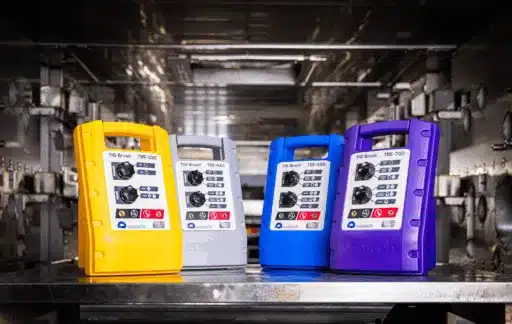
Developed by the expert team at Enistech, TIG Brush is a leading solution for stainless steel weld cleaning and passivation. With patented Dynamic Power Transfer technology at its core, we can maximise your cleaning power across all operating conditions. Get in touch to learn more.
What is Laser Etching?
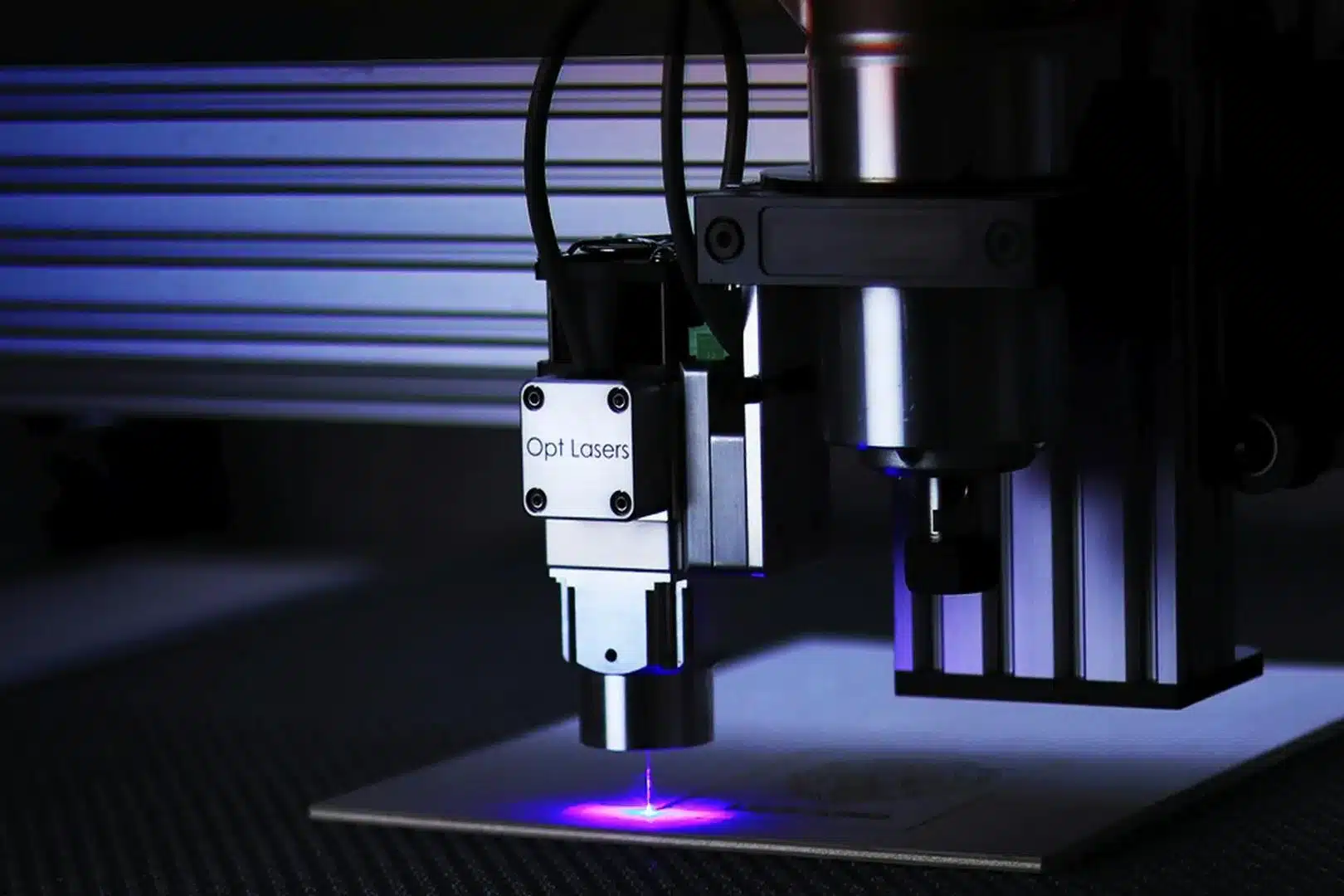
Laser etching uses a focused laser beam to create precise, permanent markings by vaporising the surface layer of the metal. It’s well known for:
- High accuracy
- The ability to produce intricate designs
Fast processing speeds - Versatility across many materials
- A non-contact process (reducing the risk of damage)
- Marks that are resistant to wear, heat, and chemicals
However, this method does generate heat, which can cause thermal stress or slight distortions on sensitive materials.
What is Electrochemical Marking?
Electrochemical marking uses a combination of electrical currents and chemical reactions to etch permanent marks onto metal surfaces using custom stencils. It’s known for:
- Cost efficiency
- Requiring minimal equipment
- Avoiding heat (eliminating thermal stress)
- Having the flexibility to mark flat, curved, or irregular surfaces
- Being a relatively simple process that requires fewer complex components
- Primarily used to mark metals
Its limitations include shallower markings and less suitability for very thick materials or deep engraving needs.
Laser Etching vs. Electrochemical Marking: The Comparison
Let’s take a closer look at the benefits and limitations of laser etching and electrochemical marking according to some key features that many businesses working with stainless steel are looking for.
1. Precision
Laser etching offers extremely high precision, which is ideal for ultra-fine and detailed marks. Electrochemical marking, on the other hand, is fairly precise when guided by custom stencils, making it suitable for most applications.
2. Material Compatibility
Electrochemical marking is best suited for conductive materials (like stainless steel) with no heat impact. Meanwhile, laser etching works on a broad range of materials, but it has the potential to cause heat damage to some sensitive metals.
3. Cost
Many professionals are surprised to learn that laser etching involves a higher initial investment and ongoing maintenance costs. Electrochemical marking is more cost-effective and requires minimal equipment.
4. Marking Depth
Electrochemical marking typically produces shallower marks, which are suitable for corrosion resistance. Laser etching, however, is capable of creating deeper, more pronounced marks.
5. Speed
Laser etching is generally faster, allowing it to support quicker turnaround times. Although electrochemical marking is a slower process, it’s typically efficient enough for most production needs.
6. Surface Impact
With electrochemical marking, there’s no heat involved. This preserves the integrity of the metal surface being marked. Laser etching, on the other hand, can cause minor thermal distortion due to the heat.
Real-World Applications
Laser etching is often preferred in industries that require intricate branding and permanent identification (such as aerospace, automotive, and electronics). Its ability to deliver high-resolution markings on complex geometries makes it ideal for parts that demand detailed serial numbers, logos, or safety information.
Electrochemical marking, on the other hand, is preferred in environments like food processing, medical devices, and heavy manufacturing. Its gentle, heat-free process ensures the integrity of stainless steel equipment and tools while providing corrosion-resistant marks that withstand rigorous cleaning and harsh conditions.
Which Should You Choose?
Choosing between laser etching and electrochemical marking largely depends on your specific needs, budget, and the nature of your materials.
Choose laser etching if:
- You need extremely fine, detailed, and high-resolution markings (like intricate logos, barcodes, or serial numbers)
- Your project demands deeper, permanent marks on thicker or heavy-duty materials where durability is critical
- Fast processing speed and quick turnaround times are essential to your production schedule
- You work with a wide variety of materials and need a versatile solution that adapts to different surfaces
Choose electrochemical marking if:
- You prioritise a cost-effective solution with a lower initial investment and maintenance requirements
- Your application involves conductive metals (like stainless steel), especially where heat-free processing will preserve their integrity
- The surface geometry is complex or curved, and you need flexible marking capabilities without compromising on quality
- Corrosion resistance and compliance with strict hygiene standards (such as those in food processing) are vital
Enhance Metal Marking With TIG Brush
At TIG Brush, we provide expert guidance and high-quality custom metal stencils to support your electrochemical marking process, ensuring consistent, accurate results every time. Whether you’re leaning towards laser or electrochemical methods, our expertise can help you select and implement the perfect metal marking method for your needs.