Weld Cleaning for the Food Industry: Meeting Hygiene and Regulatory Standards
15 August 2025
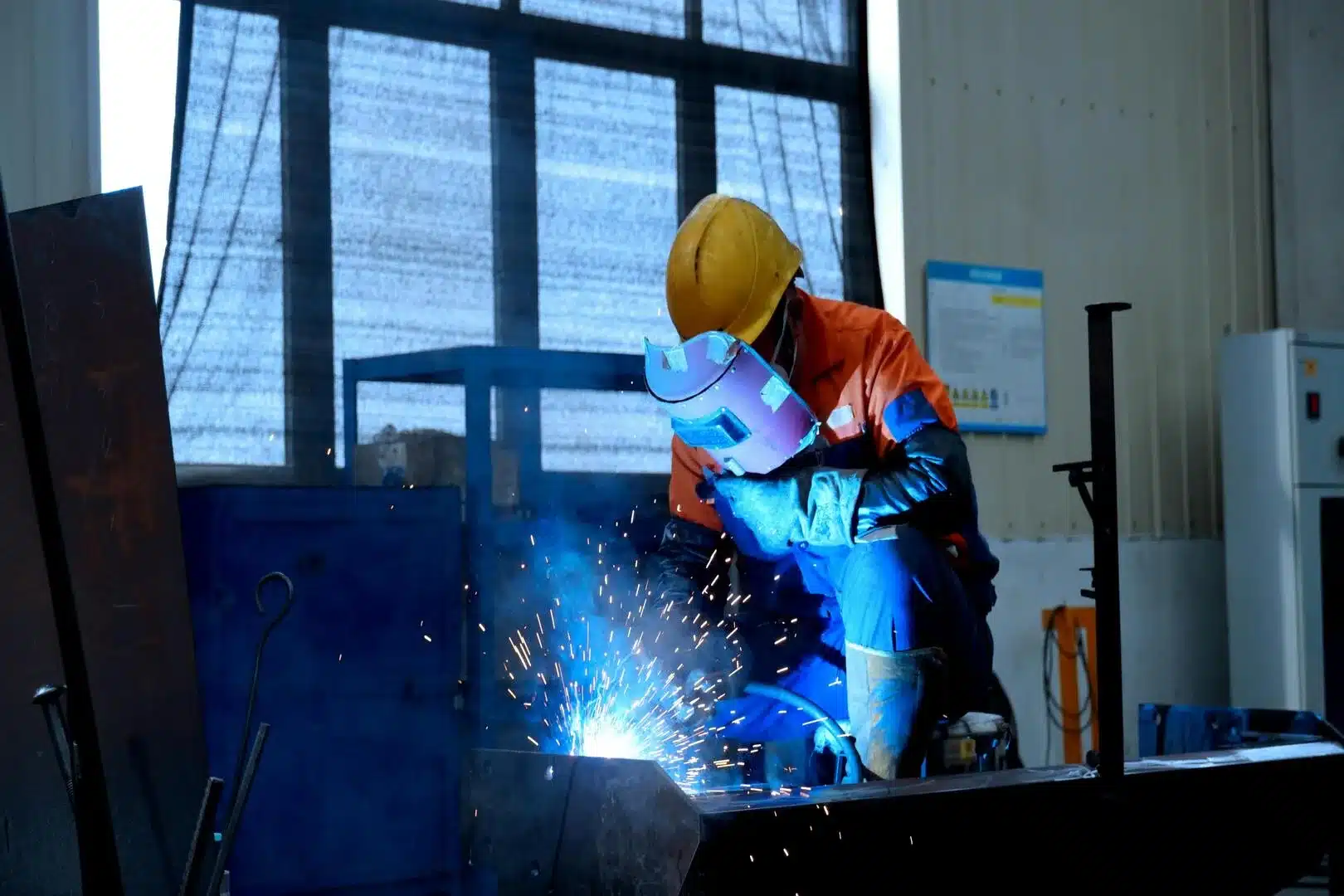
In the food production industry, equipment isn’t just a tool. It’s a direct link to the safety and quality of what ends up on the plate. From the way stainless steel is welded to how it’s marked for traceability, every detail matters. Poor fabrication or unclear identification can lead to contamination, compliance breaches, and costly recalls.
This article explores the essential welding practices and marking methods that keep food-grade stainless steel safe, hygienic, and compliant with strict industry standards.
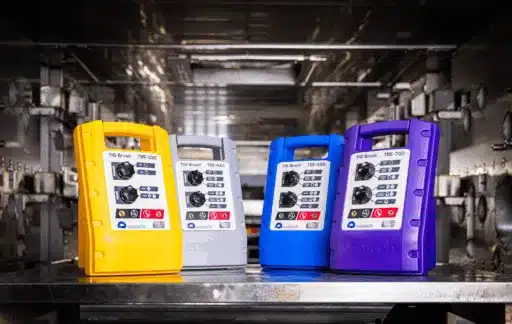
Developed by Ensitec and the result of years of innovation and research into metal surface finishing, TIG Brush is the industry-leading solution for stainless steel weld cleaning and passivation. Contact us for more information or to request a demonstration.
Why Standards Matter in Food-Grade Fabrication
The food industry operates under some of the most rigorous hygiene and safety requirements. Equipment must be built and finished to prevent bacterial growth, withstand rigorous cleaning, and allow for accurate tracking throughout the supply chain. Two key aspects ensure this: sanitary welding and durable metal marking.
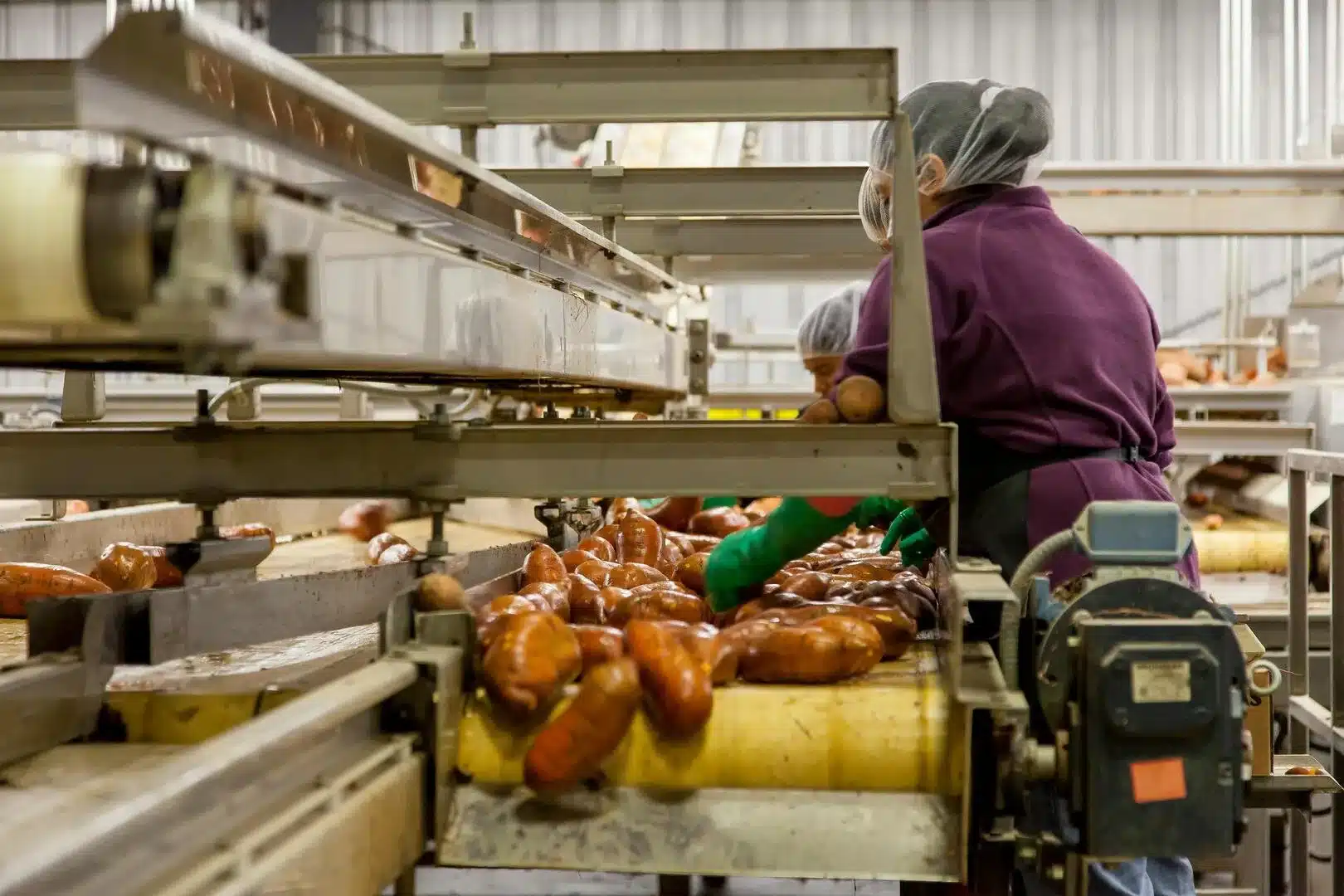
Sanitary Welding Best Practices
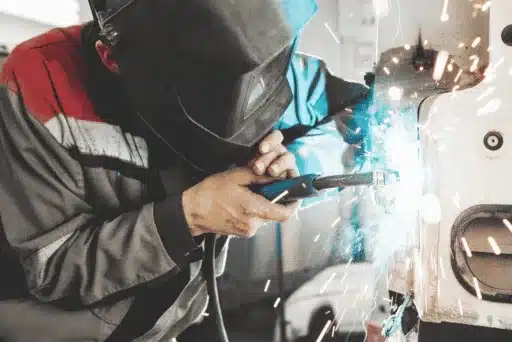
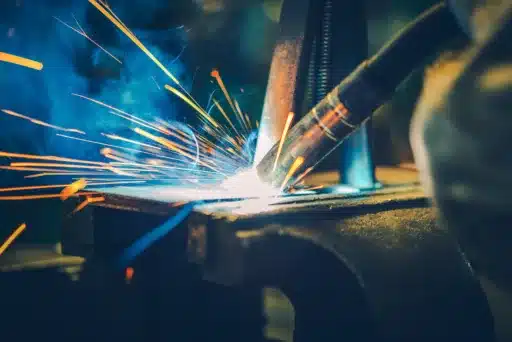
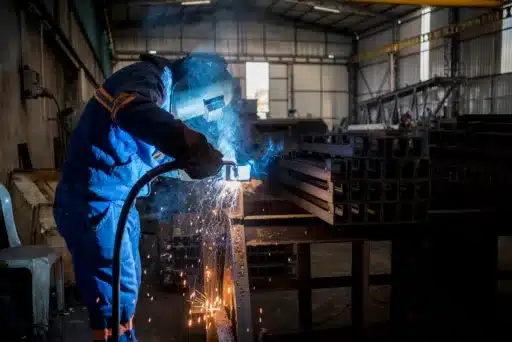
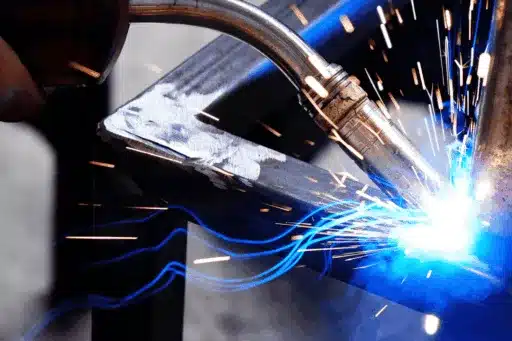
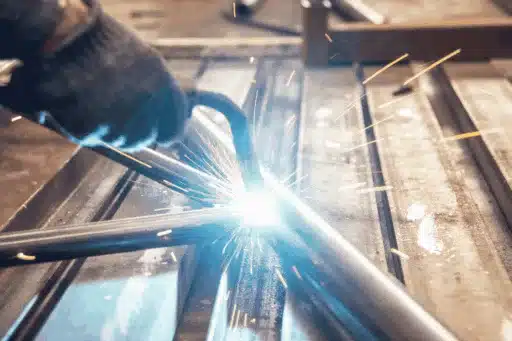
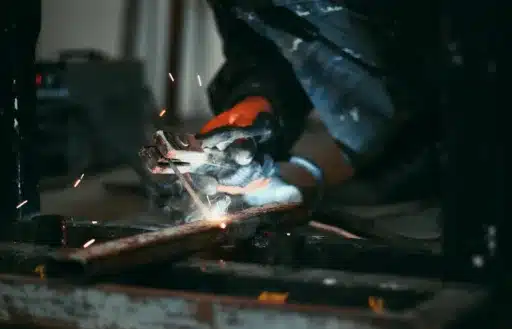
Most cookware is made by welding. Even so, welding and chemical reaction by-products can pose health risks when mixed with finished products. This is why adhering to the applicable standards when welding equipment and machinery is so important.
- Seal, Don’t Bolt
Frameworks should be welded into a sealed structure rather than assembled with bolts or seams. Crevices and joints can trap bacteria, making cleaning difficult and increasing the risk of contamination. Sealed welds create smooth, hygienic surfaces that are easier to maintain and sanitise. - Smooth Surfaces (No Burrs)
Burrs, sharp edges, or rough welds can create safety hazards and harbour bacteria. Post-weld finishing (including grinding and polishing) is essential to ensure surfaces are smooth, cleanable, and safe to handle. - Avoid Overstressing Surfaces
Overstressed metal is prone to cracks, which can become breeding grounds for contaminants. Skilled welding techniques, correct material selection, and proper engineering prevent surface fatigue and preserve the equipment’s structural integrity. - Don’t Mix Metals
Welding different metals can cause galvanic corrosion, which weakens the structure and can also negatively affect hygiene. Always choose compatible materials with similar corrosion resistance to ensure durability and compliance. - Soften Internal Angles and Corners
Corners, angles, and porous surfaces are breeding grounds for bacteria. When food gets trapped in these crevices, it increases the risk of cross-contamination. To combat this, round internal angles and corners, and never make welds in the corners (only along flat surfaces).
Metal Marking for Traceability and Safety
The Role of Marking in Food Production
Marking ensures that each component is identifiable throughout production and distribution. This traceability supports compliance, facilitates recalls (if necessary), and helps prevent cross-contamination by designating specific equipment for specific tasks.
Common Metal Marking Methods
- Metal Embossing: This creates raised, tactile characters that are long-lasting and resistant to wear.
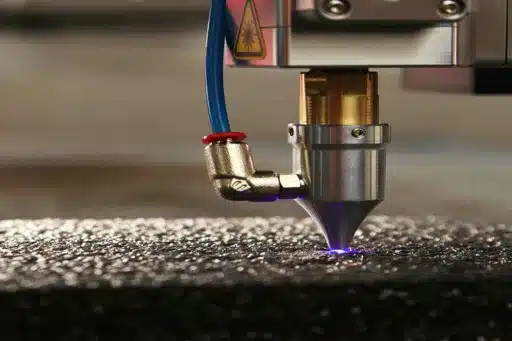
- Laser Marking and Etching: This offers high-precision, non-contact marking for permanent, readable identifiers on stainless steel.
- Dot Peen Marking: This uses a pneumatically driven pin to mark alphanumeric codes quickly and reliably.
- Electrochemical Marking: This uses an electrical current and chemicals to etch permanent, corrosion-resistant designs.
While each method has its benefits, they all must produce clear, durable markings that withstand the harsh cleaning processes in food manufacturing environments.
Achieving Compliance With the Right Technology
Meeting food safety standards isn’t just about passing inspections; it’s about protecting consumers and maintaining your brand’s reputation. By combining sanitary welding practices with precise, durable marking methods, manufacturers can ensure both hygiene and traceability in their stainless steel equipment.
TIG Brush Ticks All the Boxes
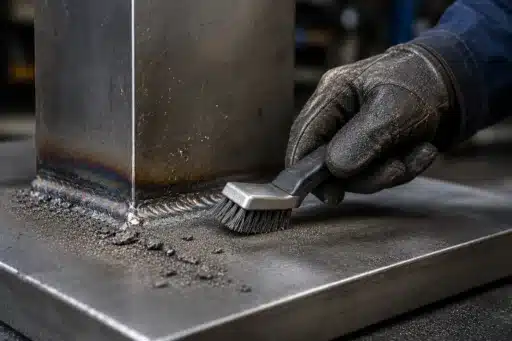
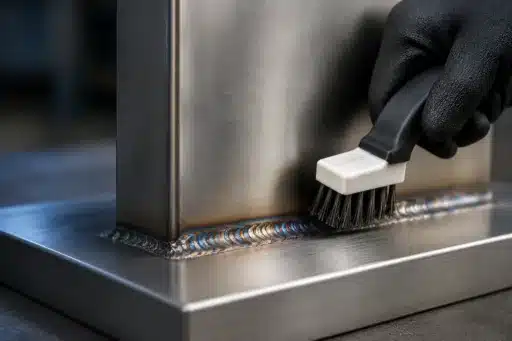
The TIG Brush weld cleaner range offers an ideal solution for food-grade applications. Using an electrochemical process, it quickly and effectively removes heat tint and weld contamination without introducing abrasive residues or harsh chemicals that could compromise hygiene.
This method not only restores the passive layer on stainless steel (enhancing corrosion resistance) but also meets stringent regulatory requirements for food-contact surfaces.
Its speed and efficiency minimise downtime, while its portability makes it practical for cleaning equipment onsite, keeping production lines compliant, safe, and running smoothly.
Your Partner in Food-Grade Compliance
The demands of food production require more than just stainless steel. They require expertise, precision, and compliance at every stage. TIG Brush offers advanced stainless steel welding and marking solutions designed for the food and beverage industry’s strictest requirements. Contact our team today to learn how we can help you elevate safety and quality in your food-grade applications.