Welche Eigenschaften sind bei einem Schweißnahtreiniger am wichtigsten?
30. Mai 2026
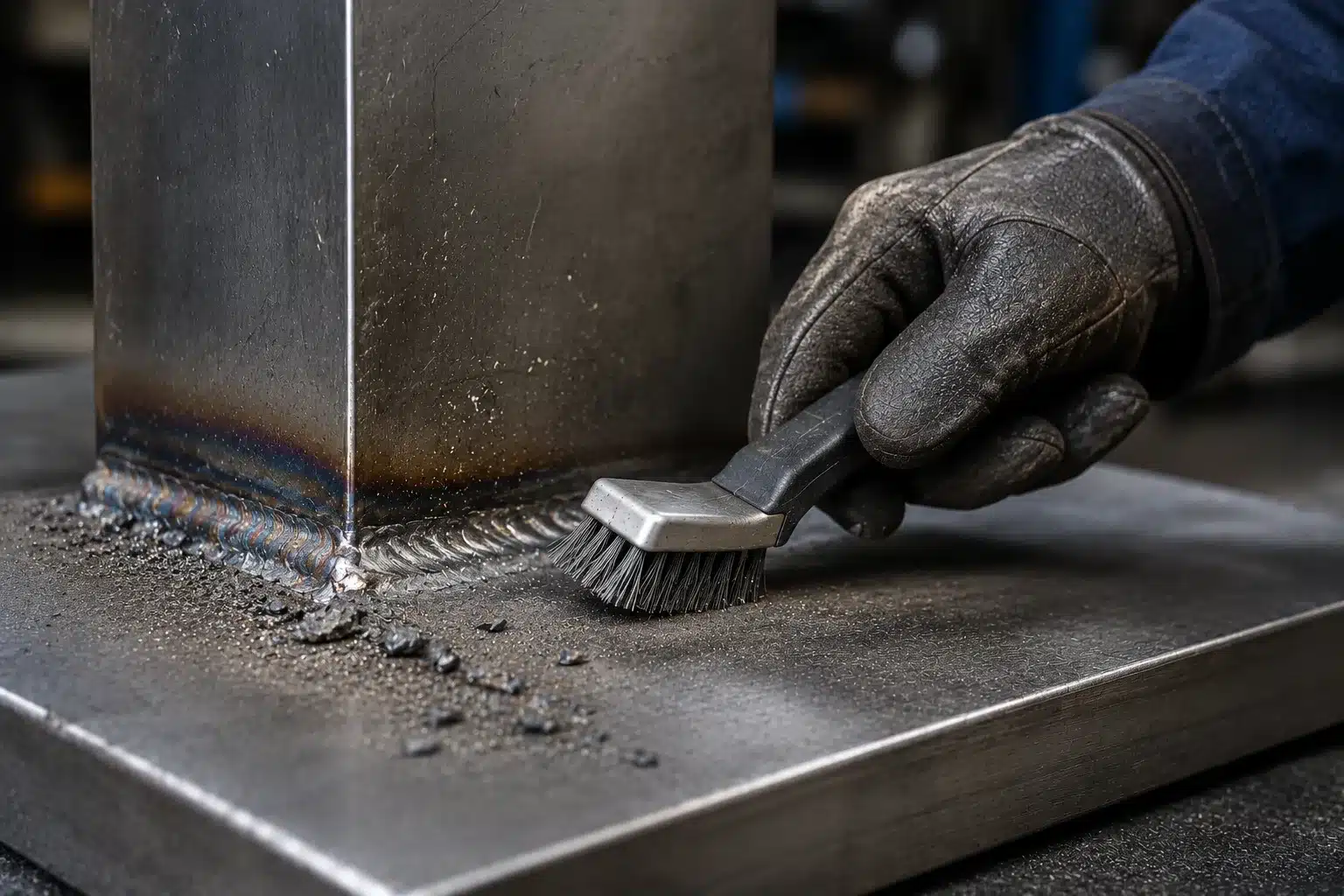
Für Fertigungsbetriebe und Industrieteams, die täglich mit Edelstahl arbeiten, ist die Schweißnahtreinigung nicht nur ein letzter Arbeitsschritt. Sie wirkt sich auf die Oberflächenqualität, die Korrosionsbeständigkeit, die Arbeitssicherheit und die Durchlaufzeiten der fertigen Teile aus. Bei hohem Produktionsvolumen kann die richtige Ausrüstung dazu beitragen, Nacharbeiten zu reduzieren, die Gleichmäßigkeit zu verbessern und die Nachbehandlung der Schweißnähte für das Team zu vereinfachen.
Ein gutes System sollte mehr leisten, als nur Anlauffarben zu entfernen. Es sollte die Passivierung unterstützen, sich an die Arbeitsweise der Bediener anpassen, dem täglichen Gebrauch standhalten und so einfach zu bedienen sein, dass geschultes Personal es sicher anwenden kann. Für Werkstätten in Australien und den USA ist dies besonders wichtig, da Arbeiten an Edelstahl dort oft strenge Anforderungen an Oberflächenqualität, Hygiene und Langlebigkeit erfüllen müssen.
Wichtige Punkte
- Ein hochwertiges System sollte Verfärbungen schnell beseitigen und gleichzeitig dazu beitragen, die Korrosionsbeständigkeit wiederherzustellen.
- Transportfähigkeit, Langlebigkeit und einfache Einrichtung sind wichtig, wenn das Bedienpersonal zwischen Arbeitsplätzen, Arbeitsbereichen oder Einsatzorten wechselt.
- Die Sicherheit des Bedieners sollte bei der Kaufentscheidung berücksichtigt werden, insbesondere beim Austausch von Beizpaste oder bei starken Schleifarbeiten.
- Wartung, Verbrauchsmaterialien und Support können den langfristigen Wert ebenso stark beeinflussen wie die Maschine selbst.
- Multifunktionssysteme können Reinigung, Passivierung, Polieren und Markieren in einem einzigen Arbeitsgang abdecken.
Warum das richtige System bei der Bearbeitung großer Mengen von Edelstahl entscheidend ist
Für viele Fertigungsbetriebe wird die Nachbearbeitung nach dem Schweißen schon lange vor der Schweißkapazität zum Engpass. Die Mitarbeiter verbringen möglicherweise zu viel Zeit damit, Verfärbungen abzuschleifen, unebene Oberflächen zu korrigieren oder Edelstahl nachzuarbeiten, der die Prüfung nicht besteht, weil die Oberfläche nicht ordnungsgemäß behandelt wurde.
Aus diesem Grund setzen immer mehr industrielle Anwender auf kontrollierte Reinigungssysteme mit Bürsten. Anstatt die Schweißnahtreinigung als eigenständiges Problem der Oberflächenbehandlung zu betrachten, können diese Systeme Reinigung und Passivierung in einem einzigen Arbeitsgang vereinen. Das Ergebnis sind schnellere Arbeitsabläufe, ein gleichmäßigeres Finish und weniger Unterbrechungen zwischen dem Schweißen und der endgültigen Auslieferung.
Bei der Edelstahlverarbeitung ist häufig eine saubere, einheitliche Oberflächenbeschaffenheit über viele Bauteile und Schichten hinweg erforderlich. Hitzeverfärbungen, Oxidation und Oberflächenverunreinigungen können das Erscheinungsbild und die Korrosionsbeständigkeit beeinträchtigen, wenn sie nicht richtig behandelt werden. In Branchen wie der Lebensmittel- und Getränkeindustrie, der Verpackungsindustrie, der Fertigungsindustrie, dem Metallbau und der Anlagenwartung muss die Oberflächenbeschaffenheit zudem praktische Anforderungen an Hygiene, Haltbarkeit und Optik erfüllen.
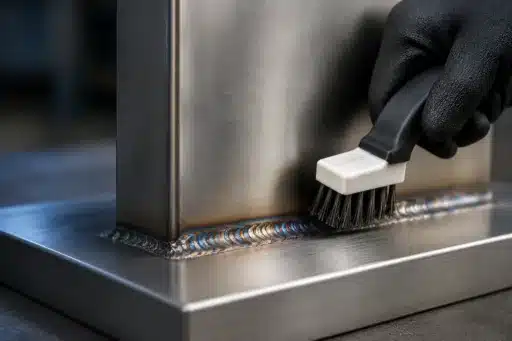
Herkömmliche Methoden können langsam, unordentlich oder in einem vielbeschäftigten Team schwer zu kontrollieren sein. Durch Schleifen wird möglicherweise zu viel Oberflächenmaterial abgetragen, was zu einer unebenen Oberfläche führen kann. Beizpaste kann Probleme bei der Handhabung, Lagerung und Entsorgung mit sich bringen. Ein elektrischer Schweißnahtreiniger bietet eine Alternative: Er nutzt Strom, eine geeignete Flüssigkeit sowie eine Bürste oder ein Pad, um die Schweißverfärbung zu entfernen und gleichzeitig die Passivierung zu unterstützen. Für Teams, die verschiedene Optionen abwägen, ist in der Regel diejenige die beste Wahl, die die Oberflächenqualität verbessert, ohne die Produktion zu verlangsamen.
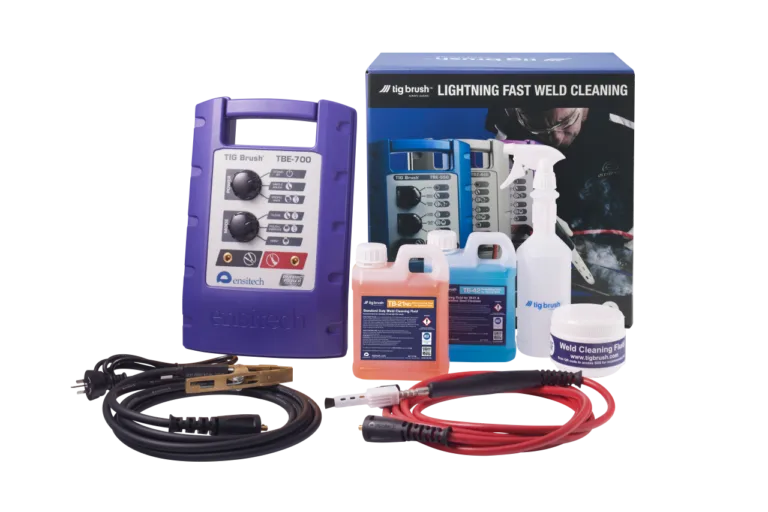
Leistung und Reinigungsgeschwindigkeit
In der Großserienfertigung wirkt sich die Reinigungsgeschwindigkeit direkt auf den Durchsatz aus. Wenn die Bediener zu viel Zeit damit verbringen, Hitzeverfärbungen zu entfernen oder Durchgänge zu wiederholen, verlangsamt sich die Produktion und die Arbeitskosten steigen.
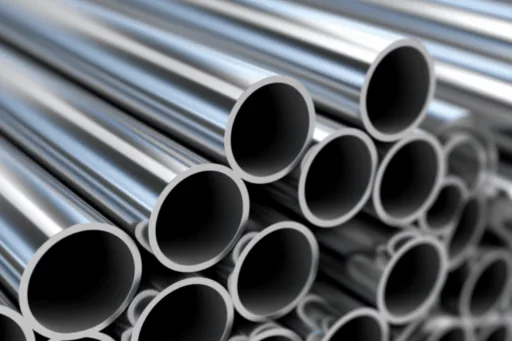
Eine hochwertige Maschine sollte Oxidationsrückstände zügig entfernen und dabei auch bei wiederholten Einsätzen ein gleichmäßiges Finish gewährleisten. Dies ist besonders wichtig bei der Bearbeitung von Edelstahlrohren, lebensmitteltauglichen Anlagen, Tanks, Rahmen oder großen Fertigungsbaugruppen, bei denen Konsistenz ebenso wichtig ist wie das Erscheinungsbild.
Die besten Systeme sind auf diese Produktionsrealität zugeschnitten. Anstatt auf aggressives Schleifen oder langwierige chemische Behandlungen zu setzen, ermöglicht ein bürstenbasiertes Verfahren den Anwendern, Schweißnähte im Rahmen eines reibungsloseren Arbeitsablaufs zu reinigen und zu passivieren. Dadurch lassen sich unnötige Oberflächenbeschädigungen vermeiden und die Arbeitsabläufe effizienter gestalten.
Auch die Ausgangsleistung und der Einschaltdauer sind von Bedeutung. Ein Gerät, das für den gelegentlichen Einsatz geeignet ist, eignet sich möglicherweise nicht für lange Schweißarbeiten, schwerere Schweißaufgaben oder den täglichen Produktionsbetrieb. Industriemodelle mit höherer Leistung sind besser für anspruchsvolle Anwendungen mit Edelstahl geeignet, bei denen längere Betriebszeiten und höhere Arbeitsbelastungen anfallen.
Mobilität und Flexibilität bei Workshops
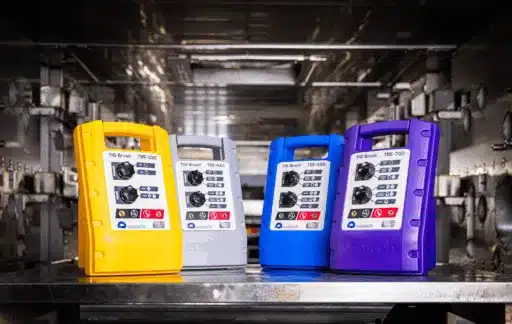
Eine Maschine sollte sich der Arbeitsweise Ihres Teams anpassen. In vielen Fertigungsbetrieben bewegen sich die Bediener zwischen Werkbänken, Arbeitsplätzen, großen Rahmen und installierten Anlagen hin und her. Ein mobiles Gerät hilft, Zeitverluste zu reduzieren, da sich der Bediener zum Arbeitsort begeben kann, anstatt jeden Arbeitsgang zu einer festen Reinigungsstation bringen zu müssen.
Auch für Wartungsteams vor Ort ist die Mobilität von Bedeutung. Rohrleitungen, Tanks, Schutzvorrichtungen und Anlagenkomponenten aus Edelstahl müssen nach Reparaturen oder Umbauten unter Umständen behandelt werden. Eine kompakte Ausrüstung mit praktischen Anschlüssen, Zubehör und Flüssigkeitshandhabung kann diese Arbeiten sowohl bei der hauseigenen Fertigung als auch beim Außendienst erleichtern.
Langlebigkeit für industrielle Umgebungen
Die Bearbeitung großer Mengen von Edelstahl kann die Maschinen stark beanspruchen. Kabel werden verschoben, Bürsten nutzen sich ab, Zubehörteile müssen ausgetauscht werden, und die Maschinen werden möglicherweise von mehreren Bedienern in verschiedenen Schichten genutzt. Eine langlebige Anlage sollte über eine robuste Stromversorgung, zuverlässige Anschlüsse, geeignetes Zubehör und die Möglichkeit zum regelmäßigen Austausch von Verbrauchsmaterialien verfügen.
Hier kommt es auf ein komplettes System an. Die Maschine ist nur ein Teil des Prozesses. Bürsten, Stangen, Schutzhauben, Kabel, Flüssigkeiten, Neutralisationsmittel und Ersatzteile beeinflussen alle die tägliche Zuverlässigkeit. Systeme, die durch passendes Zubehör und Verbrauchsmaterialien ergänzt werden, können Werkstätten dabei helfen, den Prozess stabil zu halten und Ausfallzeiten zu reduzieren.
Sicherheit des Bedieners und kontrollierte Nutzung
Bei der Auswahl der Ausrüstung für die Edelstahlveredelung sollte die Sicherheit im Vordergrund stehen. Viele Werkstätten suchen nach Alternativen zu herkömmlichen Beizpasten, da deren Handhabung, Anwendung, Lagerung und Entsorgung besondere Sorgfalt erfordern. Das mechanische Schleifen kann zudem zu erhöhter Staubentwicklung, Lärmbelästigung und Ermüdung des Bedienpersonals führen.
Ein kontrollierter Reinigungsprozess bietet dem Bediener eine praktischere Methode. Die Flüssigkeit wird über die Bürste aufgetragen, die Reinigungswirkung konzentriert sich auf den Schweißbereich, und der Bediener kann in klar definierten Schritten vorgehen. Dies kann dazu beitragen, die Abhängigkeit von aggressiveren herkömmlichen Methoden zu verringern und bei Einhaltung der richtigen Verfahren zu einem saubereren, gleichmäßigeren Endergebnis führen.
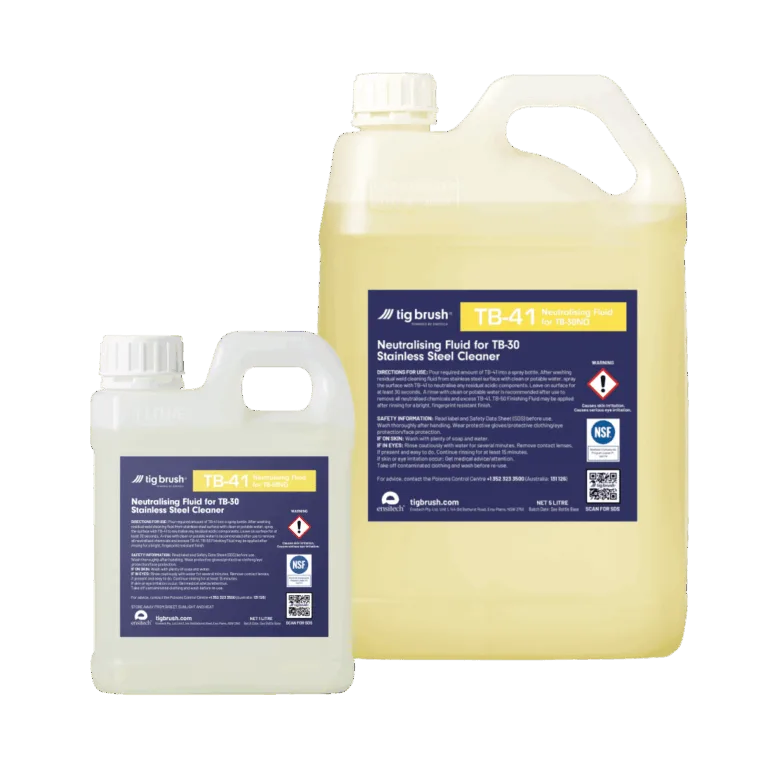
Viele Systeme umfassen zudem speziell abgestimmte Flüssigkeiten für die Schweißnahtreinigung, Neutralisierung, Politur und Markierung, um einen besser kontrollierten Endbearbeitungsprozess für Edelstahl zu ermöglichen. Sie können sich die verfügbaren Flüssigkeiten zur Schweißnahtreinigung ansehen, um den Prozess an Ihre Anwendung anzupassen.
Das bedeutet jedoch nicht, dass auf Schulungen, persönliche Schutzausrüstung oder sichere Arbeitsabläufe verzichtet werden kann. Bei korrekter Anwendung bietet es den Werkstätten jedoch eine besser reproduzierbare Methode.
Benutzerfreundlichkeit und Schulung
Eine Maschine sollte die Produktion nicht verlangsamen, nur weil sie schwer zu bedienen ist. In Umgebungen mit hohem Produktionsvolumen müssen unter Umständen verschiedene Teammitglieder Schweißarbeiten ausführen, wobei derselbe Standard gewahrt bleiben muss. Einfache Bedienelemente, eine übersichtliche Einrichtung und ein praktisches, bürstenbasiertes Verfahren tragen dazu bei, die Einarbeitungszeit zu verkürzen und Bedienungsfehler zu vermeiden.
Die einfache Handhabung trägt auch zur Qualitätskontrolle bei. Sind die Arbeitsschritte einfach, ist es wahrscheinlicher, dass die Bediener die Oberfläche an den erforderlichen Stellen korrekt reinigen, neutralisieren, abspülen und trocknen. Dies trägt zu einem gleichmäßigen Ergebnis bei und verringert das Risiko von weißen Rückständen, ungleichmäßigen Ergebnissen oder nicht vollständig entfernten Farbresten.
Wartungs- und Verbrauchsmaterialbedarf
Bevor Sie sich für ein System entscheiden, sollten Sie über den Kaufpreis hinausblicken. Prüfen Sie, wie oft die Bürsten ausgetauscht werden müssen, wie einfach es ist, Betriebsmittel zu beschaffen, ob Zubehör leicht erhältlich ist und welcher technische Support angeboten wird. Ein kostengünstigeres Gerät kann teuer werden, wenn es zu Ausfallzeiten, ungleichmäßigen Ergebnissen oder schwer zu beschaffenden Verbrauchsmaterialien führt.
In stark ausgelasteten Werkstätten sollte die planmäßige Wartung unkompliziert sein. Das Bedienpersonal sollte in der Lage sein, Kabel zu überprüfen, Bürstenspitzen auszutauschen, den Flüssigkeitsverbrauch zu kontrollieren und das Gerät sauber zu halten, ohne dass dafür komplexe Werkzeuge oder lange Stillstandszeiten erforderlich sind.
Produktivitätsvorteile für Fertigungsbetriebe
Die richtige Konfiguration kann mehr als nur das Erscheinungsbild der Schweißnaht verbessern. Eine schnellere Reinigung kann die Durchlaufzeiten verkürzen. Eine gleichmäßige Passivierung kann Nacharbeiten reduzieren und die langfristige Leistungsfähigkeit von Edelstahl sichern. Ein tragbares System kann den Zeitaufwand für die Handhabung verringern. Eine multifunktionale Konfiguration kann bei Bedarf auch das Polieren oder die Markierung von Edelstahl unterstützen.
Für Fertigungsleiter liegt der größere Nutzen oft in der Prozesskonsistenz. Wenn die Mitarbeiter über mehrere Schichten hinweg nach derselben Methode arbeiten, können Werkstätten eine besser vorhersehbare Oberflächenqualität erzielen und weniger Zeit für die Behebung von optischen Mängeln oder Oberflächenproblemen aufwenden.
Die praktischsten Systeme bieten mehr als nur eine einfache Schweißnahtreinigung. Durch die Kombination von Reinigung, Passivierung, Elektropolieren und Markierung in einer einzigen mobilen Anlage können Werkstätten Prozesswechsel reduzieren und die Endbearbeitung von Edelstahl vereinfachen.
Für industrielle Anwender summieren sich diese Vorteile über zahlreiche Arbeitsschritte hinweg. Wenn ein Team Schweißnähte mit weniger Wiederholdurchgängen reinigen, die Handhabung der Teile reduzieren und eine einheitlichere Oberflächenqualität zwischen den Bedienern erzielen kann, wirkt sich dies positiv auf die Terminplanung, die Qualitätskontrolle und die Lieferung aus. Ein zuverlässiger Reiniger für Edelstahlschweißnähte kann eine gleichbleibende tägliche Produktion gewährleisten, ohne unnötige Komplexität zu verursachen.
FAQ
1. Was ist ein Schweißnahtreiniger?
Ein Schweißnahtreiniger ist eine Maschine oder Anlage, die dazu dient, Schweißfärbung, Oxidation und Oberflächenverunreinigungen nach dem Schweißen zu entfernen. Bei Edelstahl unterstützen viele moderne Anlagen zudem die Passivierung, wodurch die Korrosionsbeständigkeit im Schweißbereich wiederhergestellt wird.
2. Was ist ein elektrochemischer Schweißnahtreiniger?
Ein elektrochemischer Schweißnahtreiniger nutzt elektrischen Strom, eine Reinigungsflüssigkeit und eine leitfähige Bürste oder ein leitfähiges Pad, um Schweißnähte aus Edelstahl zu reinigen. Er wird häufig als Alternative zum Schleifen oder zur Beizpaste für die Nachbehandlung von Schweißnähten eingesetzt.
3. Eignet sich ein elektrischer Schweißnahtreiniger für Werkstätten mit hohem Arbeitsaufkommen?
Ja, vorausgesetzt, das Gerät verfügt über die richtige Leistung, den richtigen Arbeitszyklus, das richtige Zubehör und die richtige Versorgung mit Verbrauchsmaterialien. Werkstätten mit hohem Arbeitsaufkommen sollten ein System wählen, das für den regelmäßigen industriellen Einsatz ausgelegt ist, und nicht für gelegentliche leichte Reinigungsarbeiten.
4. Warum ist Portabilität wichtig?
Dank der Mobilität können Anwender Schweißnähte direkt am Einsatzort bearbeiten. Dies ist besonders nützlich bei großen Baugruppen, bei Wartungsarbeiten vor Ort sowie in Werkstätten, in denen die Arbeitsstücke zwischen Werkbänken oder Produktionsbereichen hin- und herbewegt werden.
5. Wie wähle ich das richtige System aus?
Wählen Sie die Maschine entsprechend Ihrer Arbeitsbelastung, der Art der Schweißarbeiten, den Anforderungen an die Oberflächenqualität und dem Produktionsvolumen aus. Kleinere Geräte eignen sich eher für den gelegentlichen Einsatz, während leistungsstärkere Industriemodelle besser für regelmäßige oder anspruchsvolle Arbeiten an Edelstahl geeignet sind.