A Safer Workplace: Reducing Chemical Exposure in Metal Fabrication with TIG Brush
18 September 2025

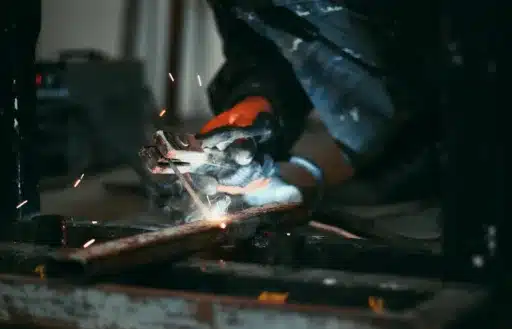
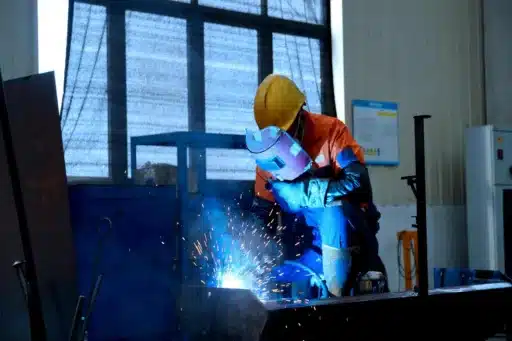
When welding joints in metal fabrication, safety often hinges on understanding and managing chemical exposure. From toxic fumes to harsh acids, welding environments can pose serious health risks.
This blog explores the impacts of chemical exposure, emphasizes the need for safer workplaces, and introduces TIG Brush (an innovative tool that enhances safety and weld quality).
Designed by the team at Enistech, TIG Brush is the industry-leading solution for stainless steel weld cleaning and passivation. It’s the result of years of innovation and research in metal surface finishing for a safer, more sustainable choice. Contact us for more information.
The Hidden Hazards of Chemical Exposure in Welding
Metal fabrication isn’t just heat and sparks; it also involves exposure to dangerous substances. These include:
- Welding Fumes
Research shows that welding releases a complex mix of particulates and gases (including metals like chromium, nickel, and manganese) that pose significant respiratory and systemic risks. - Hexavalent Chromium or Cr(VI)
Produced when TIG welding stainless steel in particular, this compound is a recognized carcinogen linked to lung cancer, asthmatic conditions, and nasal tissue damage. - Metal Fume Fever
Common after welding galvanized metals, this condition manifests as flu-like symptoms (including fever, chills, and nausea) and can be debilitating for many people. - Other Health Effects
Besides those discussed above, acute exposure health risks include throat and chest irritation and even pneumonia, while chronic exposure can lead to cancers, COPD, and neurological disorders. - Shielding Gas Hazards
Inert gases like argon or carbon dioxide that are used when welding can displace oxygen in confined spaces, leading to dizziness, unconsciousness, or even asphyxiation.
These exposures, through inhalation or even skin contact, can severely undermine long-term health and workplace safety. They underscore the need for safer welding practices that minimize reliance on hazardous chemicals.
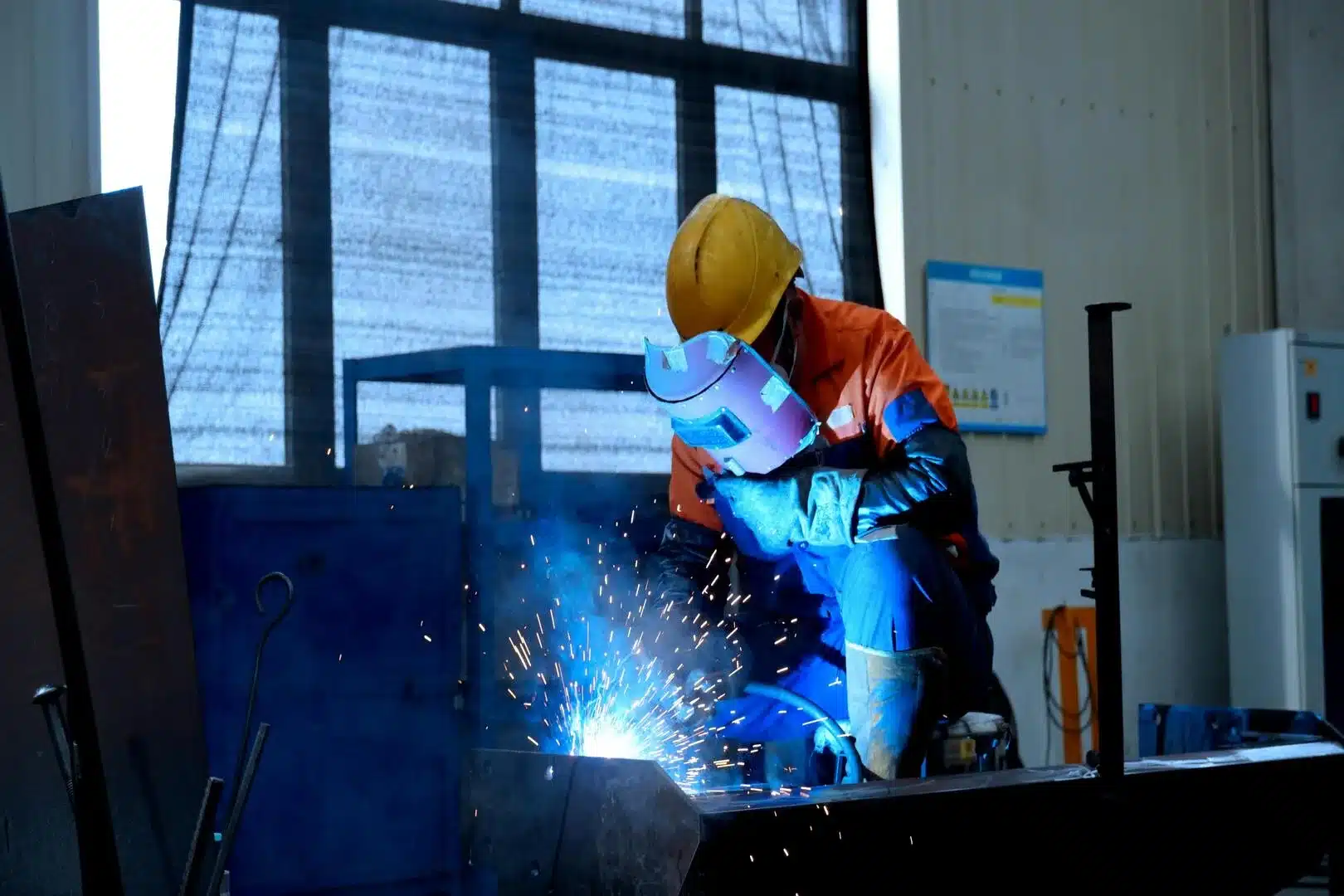
Why Safer Workplaces Matter
Creating a safer workplace is important for many reasons, including:
- Worker Health and Morale
Constant exposure to harmful fumes and chemicals can damage morale over time, as well as lead to long-term health problems and absenteeism. - Legal and Regulatory Compliance
Agencies like the Occupational Safety and Health Administration (OSHA) mandate risk assessments, exposure controls, ventilation systems, and PPE to protect workers. - Productivity and Quality
Healthy workers and cleaner environments mean fewer errors, less downtime, and better weld quality (especially when it comes to those critical welding joints). - Reputation and Sustainability
A commitment to safety fosters trust, enhances an employer’s reputation, and tends to yield financial benefits through reduced insurance costs and improved employee retention.
Introducing the TIG Brush: Clean, Safe, and Effective
TIG Brush is an electrochemical weld-cleaning system designed to reduce hazards by eliminating the need for dangerous pickling pastes and harsh acids. Instead, it uses specially formulated, room-temperature-safe cleaning fluids that are applied via an electrically induced flow over the weld zone, followed by neutralization.
How TIG Brush Protects Workers and Processes
TIG Brush seeks to protect workers and processes from harm in a variety of ways, including:
- Eliminates Hazardous Chemicals
Traditional pickling pastes often contain nitric or hydrofluoric acid, which present serious risks of chemical burns and fume inhalation. TIG Brush instead uses safer fluids that actively clean the heat-affected zone without aggressive acids. - Superior Cleaning and Corrosion Resistance
Testing by independent labs (Gauge Industrial & Environmental and The Welding Institute) found that TIG Brush removes all detectable oxides and improves corrosion resistance beyond that of unwelded steel, exceeding the performance of traditional pickling paste. - Faster, More Efficient Process
By combining cleaning and passivation into one step, TIG Brush reduces handling time and the exposure window, as well as fosters a quicker, safer workflow. - Better Environmental Footprint
The use of safer fluids and lower chemical runoff contributes to TIG Brush’s compliance with environmental regulations, as well as reducing disposal hazards.
Practical Benefits of TIG Brush
TIG Brush offers many benefits that make it preferable to more traditional methods. These include:
- Healthier Environment
The TIG Brush minimizes inhalation risks by avoiding acid vapors and reduces physical contact with dangerous chemicals. - Better Weld Quality
It removes heat tint and restores chromium to the stainless steel’s surface, boosting its corrosion resistance. - Operational Efficiency
It integrates cleaning and passivation in a single electrochemical step, which saves valuable time and labor. - Regulatory Compliance
It supports compliance with occupational guidelines by reducing the presence of chemical hazards. - Cost Savings
TIG Brush lowers the costs tied to PPE, fume extraction, hazardous waste disposal, and injuries or lost work days.
Create a Safer Workplace with TIG Brush
Reducing chemical exposure while welding joints isn’t just an ideal, it’s a responsibility. With hazards like fumes and acid-related injuries, investing in safer solutions is vital. TIG Brush offers a compelling path forward: a safer, faster, and more effective method that protects worker health, enhances weld quality, and elevates workplace safety standards.
If you’re interested in seeing the TIG Brush in action, get in touch with our helpful team to arrange a demonstration.