How to Tell If Your Welds Are Properly Passivated
12 September 2025
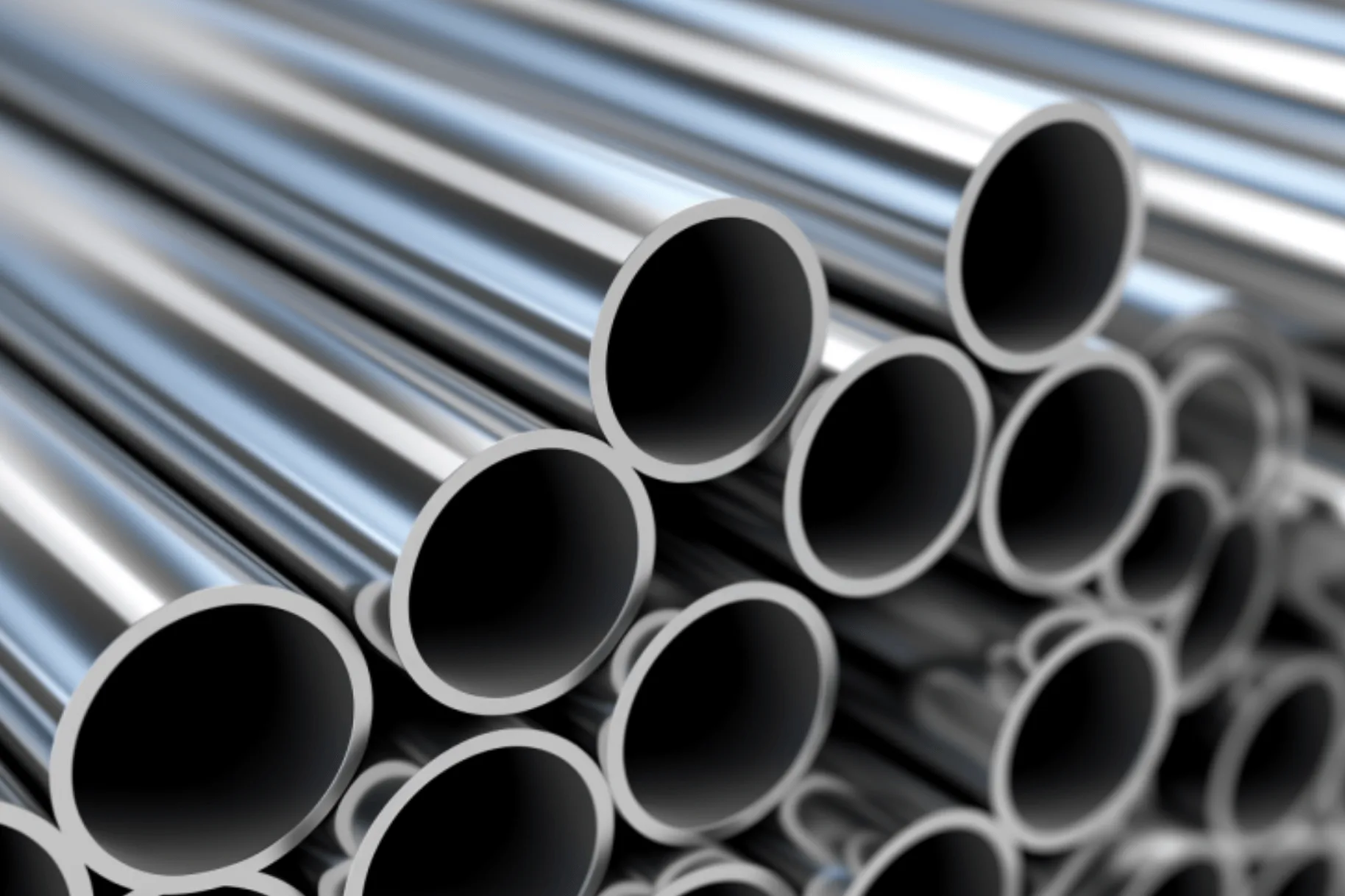
In industries that rely on stainless-steel welding (such as food processing, pharmaceuticals, and marine environments), proper passivation isn’t a luxury; it’s essential.
Passivation (also known as passivation) is a chemical treatment that restores and enhances the corrosion resistance of stainless steel after welding, ensuring its longevity and safety.
Developed by the team at Enistech, the TIG Brush is the industry-leading solution for stainless steel weld cleaning and passivation. It offers superior performance, along with a safer and more sustainable choice for modern fabrication. Contact us to learn more.
What is Passivation and How Does it Work?
Stainless steel owes its corrosion resistance to a protective chromium oxide layer that forms naturally in air. When welding damages this layer (through heat tint, free iron deposits, or oxidation), the stainless steel surface becomes vulnerable to rust. Passivation is the process of removing that contamination and restoring the chromium-rich passive film.
Traditional passivation methods involve acid treatments (most commonly nitric or citric acid), which dissolve free iron and other contaminants. Citric acid is now often preferred for environmental and safety reasons. After treatment and thorough rinsing, a robust oxide layer forms, re-establishing the steel’s protective properties.
For alternatives that are more modern, efficient, and safer, electrochemical weld cleaning systems like the TIG Brush can be used. They combine electricity, heat, and proprietary cleaning fluids to clean and passivate in a single step, eliminating hazardous pickling pastes and significantly reducing post-weld processing time.
Why Do You Need to Confirm Passivation?
Even small amounts of free iron that are left after welding can become localized corrosion sites. This compromises product integrity, hygiene, and safety. Heat-tint discolorations along weld edges signal chromium depletion, making them prime targets for future corrosion
Signs of Poor Passivation and Their Impact
There are several signs of poor passivation to look out for during weld inspections:
- A blue reaction in a Ferroxyl test is an indication that free iron is still present on the surface. This could lead to accelerated corrosion and pitting of the stainless steel component.
- Water beading (rather than sheeting) in a Water Break test indicates surface contamination or incomplete passivation. This could lead to reduced corrosion resistance.
- Negative or low readings on an electrochemical test indicate that the passive film is too thin or unstable. This could mean the stainless steel is more vulnerable to rust.
- A rainbow heat-tint or darker discoloration along welds is an indication that the passive layer has been destroyed due to welding heat. This could lead to the beginning of corrosion in these areas.
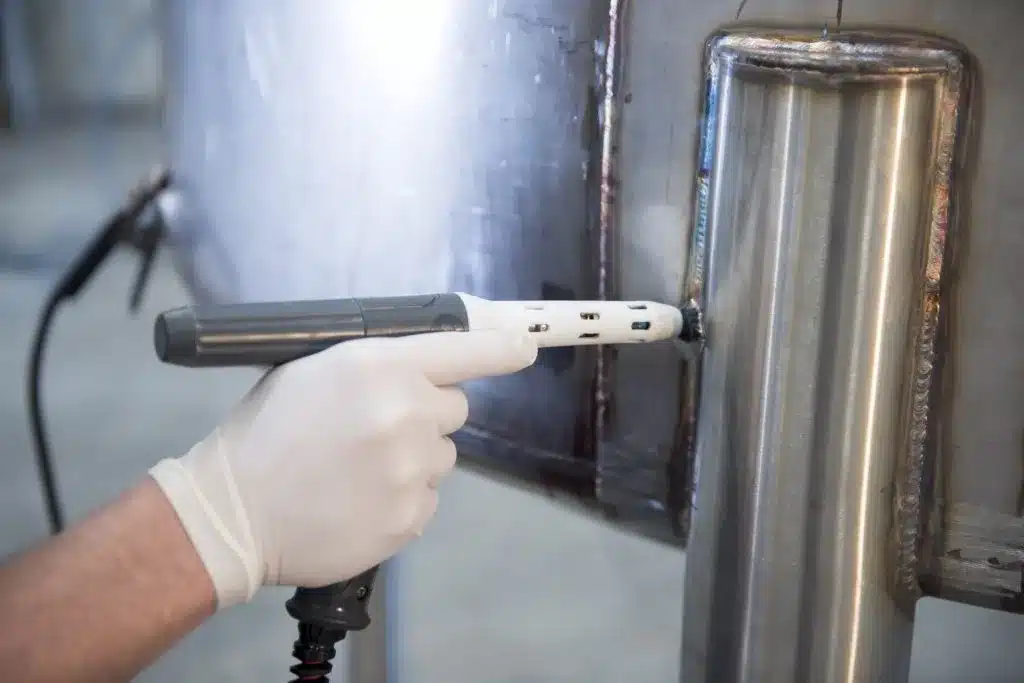
Tests to Confirm if Passivation Worked or Not
- Ferroxyl Test (also known as the Blue Dot Test)
For this test, apply potassium ferricyanide solution to the weld surface. The colour blue indicates the presence of free iron, while no blue suggests success. - Water Break Test
For this test, rinse the weld with clean water and observe its behavior. A uniform sheeting of the water indicates good passivation, while droplets forming indicate contamination. - Electrochemical Test
For this test, use a portable meter to assess the integrity of the passive layer. A higher numerical value indicates strong, stable passivation, while a negative or low value is a sign that the treatment is incomplete. - Visual Inspection
It is also possible to look for heat tint, which is the presence of rainbow colors or dark bands along the weld. This indicates that the passive film was compromised during welding, which means that these areas will be prone to corrosion.
Improving Passivation Results
There are several things you can do to improve your passivation results, including:
- Surface preparation. Always clean the weld thoroughly to remove grease, scale, or welding residues before passivation.
- Correct chemistry. Choose nitric or citric acid (or an advanced electrochemical system like the TIG Brush) according to your application’s safety and performance needs.
- Rinsing and neutralizing. Wash with deionized or distilled water until a neutral pH is achieved. Insufficient rinsing can leave acids behind, which can cause staining or pitting.
- Verification. Always perform testing post-passivation to ensure its effectiveness.
Why It Matters for Your Business
Using a reliable method (like the TIG Brush) helps maintain weld integrity, improve corrosion resistance, and reduce safety risks. Studies on our product have shown that the TIG Brush cleaning removes heat tints and oxides, restores chromium levels, and achieves corrosion performance even better than pickling pastes (and without the associated hazards).
If you would like to see the TIG Brush in action, get in touch with our helpful team today to arrange a demonstration.