Why Your Choice of Weld Cleaner Matters
22 October 2025
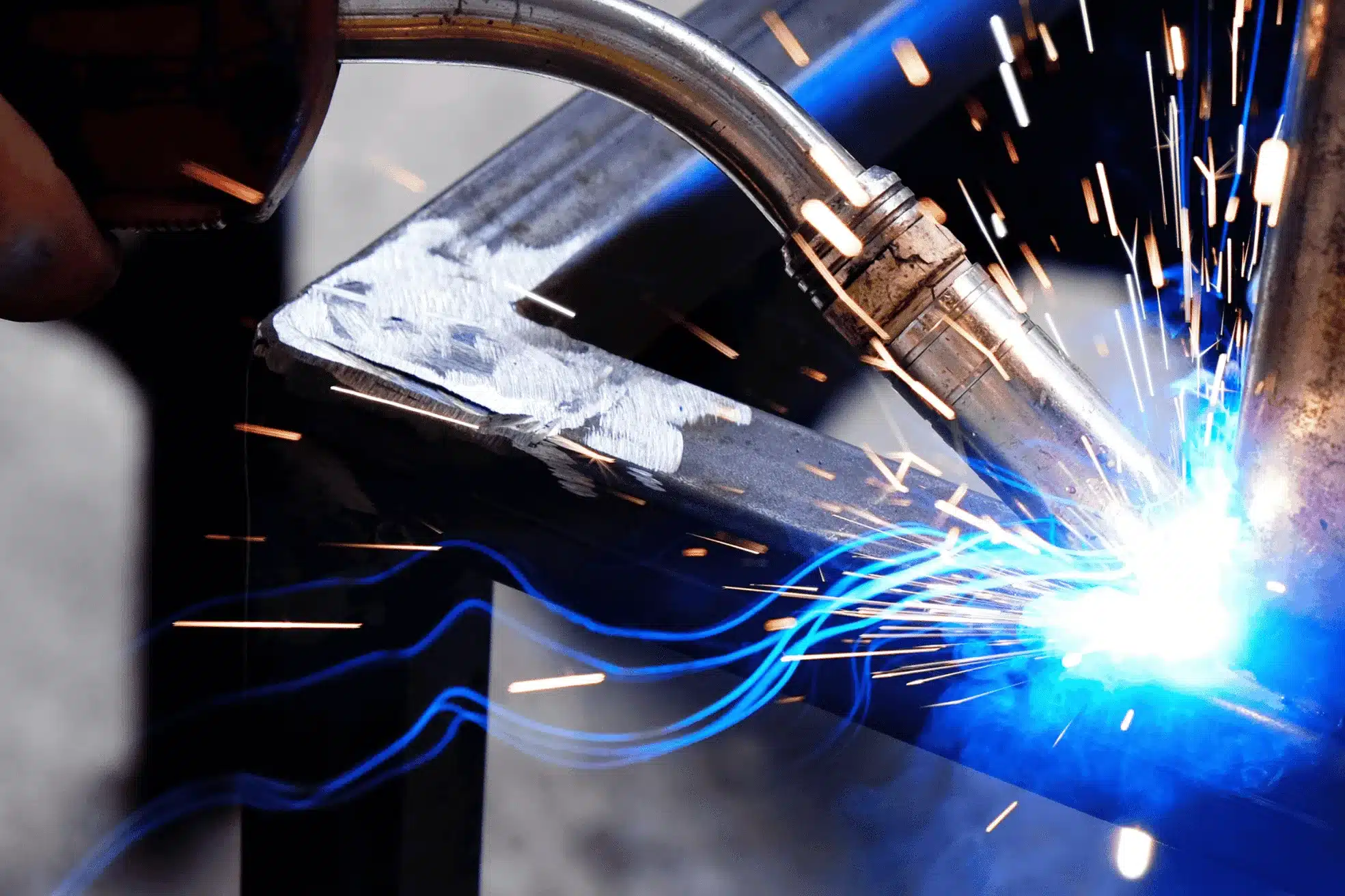
Have you ever considered that your choice of weld cleaner matters? The right cleaner affects weld quality, appearance, longevity, safety, and the efficiency of the process.
Different cleaners are suited for different materials and levels of contamination. Electrolytic methods offer a faster, safer alternative to chemical pickling paste, and mechanical cleaners are a good choice for basic surface preparation.
Choosing the wrong cleaner can lead to corrosion, a damaged surface finish, health hazards, or even a failed weld. Let’s take a closer look.
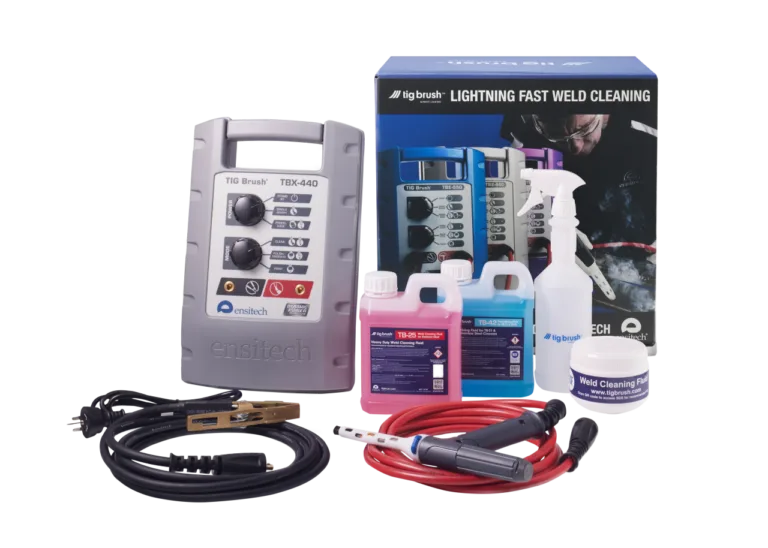
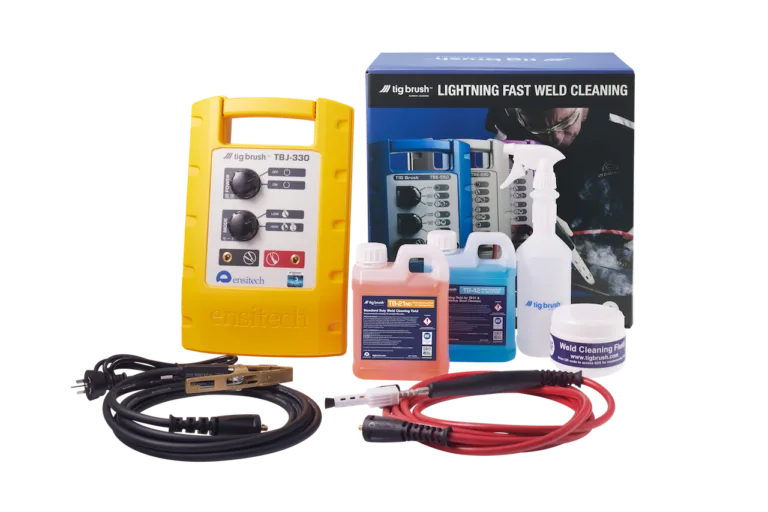
Developed by Enistech, TIG Brush is the industry-leading solution for stainless steel weld cleaning and passivation. It offers superior performance along with being a safer, more sustainable choice for modern fabrication. Contact our team today to learn more.
Understanding the Different Weld Cleaning Methods
Before you can understand why your choice of weld cleaner matters, you need to first understand the different types of cleaners available:
- Electrolytic Cleaning (such as TIG Brush)
This method is faster, safer, and more cost-effective than pickling paste. It simultaneously cleans and passivates, removing heat tint and discoloration while restoring corrosion resistance without altering the surface finish. - Chemical Cleaning (such as pickling paste)
This method uses strong acids to dissolve surface oxides. It is imperative to note, however, that it is hazardous (so it requires extensive safety gear) and leaves a dull finish (so additional passivation and surface restoration are required). - Mechanical Cleaning (such as wire brushes)
This method is good for removing rust, heat tint, and basic surface contaminants from the weld. Abrasive products, however, remove base material and can alter the surface finish, requiring more extensive post-weld processing.
So, what are the considerations to be aware of when it comes to choosing a weld cleaning method?
How Weld Cleaner Impacts Weld Quality and Durability
Selecting the right weld cleaner is crucial not just for appearance but for the strength and lifespan of your welds. Proper cleaning directly influences corrosion resistance, weld integrity, and the overall finish.
- Corrosion Prevention
Proper cleaning and passivation, especially on stainless steel, are essential for restoring the protective oxide layer that prevents future corrosion and rust. - Weld Integrity
A clean surface prevents contamination and ensures a stronger, more durable weld (especially when dealing with metals like aluminum, which has a high-melting-point oxide layer). - Aesthetics
Weld cleaning tools can also be used for finishing, allowing a near-mirror polish on metals like stainless steel and even the capability to engrave or brand the surface.
How Weld Cleaner Impacts Safety and the Environment
Beyond weld quality, the choice of cleaner has a significant impact on worker safety and environmental responsibility. Using safer, more sustainable methods reduces health risks and minimizes hazardous waste.
- Health Hazards
Pickling pastes contain dangerous chemicals (including hydrofluoric, nitric, and sulfuric acids) that pose significant health risks (including long-term skin and internal organ damage) if the proper safety equipment and procedures are not followed.
Electrolytic and mechanical cleaning, by comparison, are much safer.
- Environmental Impact
Pickling paste also produces a lot of waste in the form of rinsing water and exhausted solutions. As the waste contains the harmful chemicals outlined above along with heavy metal remnants, it’s considered hazardous and must be disposed of accordingly.
There is no such waste produced with mechanical or electrolytic cleaning.
How Weld Cleaner Impacts Efficiency and Versatility
Efficiency and adaptability are key considerations when choosing a weld cleaner. Solutions that combine multiple functions or adjust to different materials can significantly reduce labour time and improve overall workflow.
- Single-Step Processes
Electrolytic cleaning offers a single-step process that combines cleaning and passivation, saving time and labor. More processing and finishing steps are required, however, for mechanical and chemical cleaning. - Onsite Capability
Many modern cleaning solutions are portable, allowing for on-site cleaning and passivation without the need to transport workpieces. This can make the process faster, as it minimizes delays caused by transportation and delivery. - Material and Nozzle Adaptability
Some cleaners feature adjustable settings for different nozzle sizes and materials, increasing their versatility across various welding tasks. This allows them to reach tight corners, weld seams, and so on, providing greater control over precision cleaning.
Better Welds Start With the Right Cleaner
Choosing the right weld cleaner goes far beyond simply removing surface contaminants. It affects weld quality, safety, environmental impact, and operational efficiency.
Electrolytic cleaners like TIG Brush provide a safer, faster, and more versatile alternative to traditional methods, helping fabricators achieve superior results while protecting both their team and the environment.
Investing in the right cleaner isn’t just a choice; it’s a step toward better, longer-lasting welds every time.