The 3-Step Process for Cleaning Your Welds
15 December 2025
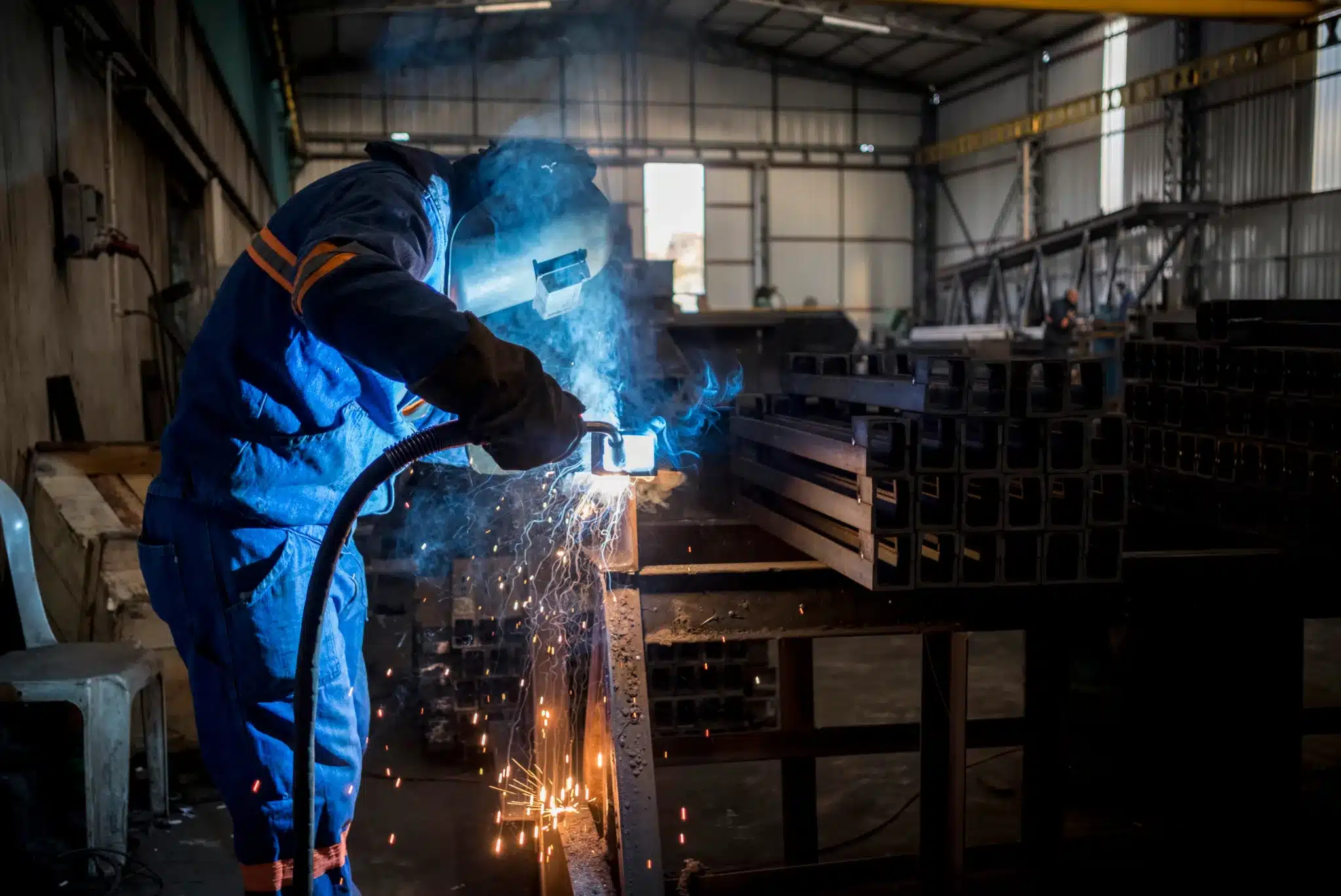
Cleaning stainless steel welds the right way is essential for achieving a stable surface, long-term performance, and a clean final look. Whether you work in fabrication, food production, automotive manufacturing, or architectural stainless steel, a dependable weld cleaner process helps protect your equipment, meet compliance standards, and reduce rework.
The TIG Brush system is built around a simple 3-step method that gives consistent results across TIG, MIG, MAG, Sub Arc, stick, and laser welds.
Key points
- Stainless steel welds need a stable, clean surface to avoid corrosion and surface staining.
- A controlled electrochemical weld cleaner process supports cleaning and passivation in one workflow.
- Neutralising after cleaning is essential for chemical stability.
- The TIG Brush 3-step method helps deliver predictable results for industrial and commercial environments.
Why a weld cleaner process matters for stainless steel
Welding changes the surface of stainless steel. Heat tint, oxides, and light contamination can reduce corrosion resistance if they are not removed. This is important in industries where stainless steel surfaces must remain stable and hygienic, such as food and beverage, packaging, OEM manufacturing, and architectural work. Using a weld cleaner restores the surface and supports long-term performance.

Step 1: Dip the brush into the weld cleaning fluid
Dip the brush into one of the weld cleaning fluid solutions in the TIG Brush range. This prepares the brush with the correct amount of fluid for removing heat tint and surface contaminants. Using the right fluid for the application helps support both cleaning and surface stability. If the brush begins to dry while you work, dip it again to maintain consistent contact.
Step 2: Make contact, move slowly in a circular motion, and rinse
Make contact with the weld and move the brush slowly across the joint in a circular motion. This steady movement allows the electrochemical reaction to clean the surface effectively. If the brush dries, dip it again before continuing. Once the weld area is clean, rinse with water to remove fluid and loosened residue. This step gives you a clear view of the restored surface and helps confirm that the weld has been treated evenly.
Step 3: Spray the weld with neutralising fluid and rinse
Spray the weld with a neutralising fluid from the TIG Brush range and rinse the area with water. Neutralising stops any remaining chemical activity and leaves the surface stable. This step supports long-term protection, especially for equipment and components used in demanding environments. A consistent rinse leaves the surface ready for inspection or further finishing.
What to expect from this 3-step process
A complete weld cleaner workflow supports:
- Stable stainless steel surfaces
- Reliable passivation
- A consistent finish for visible or hygienic applications
- Less time spent on rework
- A safer alternative to abrasive or harsh chemical methods
These results help stainless steel fabricators, OEM manufacturers, maintenance teams, and industrial plants maintain quality and productivity.

How this process supports work across industries
The 3-step method is suitable for a wide range of applications, including food and beverage equipment, FMCG packaging lines, automotive and industrial components, power equipment, heavy fabrication, and architectural stainless steel. Each of these sectors relies on clean, stable surfaces to protect both performance and appearance.
If you want consistent results across your stainless steel applications, this simple workflow makes it easier to maintain quality and reduce rework. To learn more about how weld cleaning fits into your process or to explore the full TIG Brush system, speak with our team or browse our weld cleaning resources. an, stable surfaces to protect both performance and appearance.
FAQs about using a weld cleaner
1. Why does stainless steel require weld cleaning?
Welding produces heat tint and oxide layers that can reduce corrosion resistance. Cleaning removes these layers and helps restore the surface. According to industry guidance, stainless steel performs best when the surface is clean and stable.
2. Why is neutralising essential after weld cleaning?
Neutralising restores pH balance and stops remaining chemical activity. As explained in TIG Brush resources, this supports long-term surface stability and prevents unwanted reactions.
3. How often should the brush be re-dipped during cleaning?
Re-dip the brush whenever it begins to dry. A well-saturated brush ensures consistent cleaning action across the weld.
4. Does this method work for all stainless steel weld types?
Yes, the process is suitable for TIG, MIG, MAG, Sub Arc, stick, and laser welds. These welding methods all create a heat tint that benefits from an electrochemical cleaning process.
5. What affects how quickly a weld can be cleaned?
Factors include weld size, steel grade, heat tint level, and the type of fluid used. A steady motion and consistent fluid contact help achieve predictable cleaning speed and results.